
 +86-150-5857-3741+86-136-0679-8873
 carolzhang@hnhktech.com
+86-150-5857-3741+86-136-0679-8873carolzhang@hnhktech.com
carolzhang@hnhktech.com
+86-150-5857-3741+86-136-0679-8873carolzhang@hnhktech.com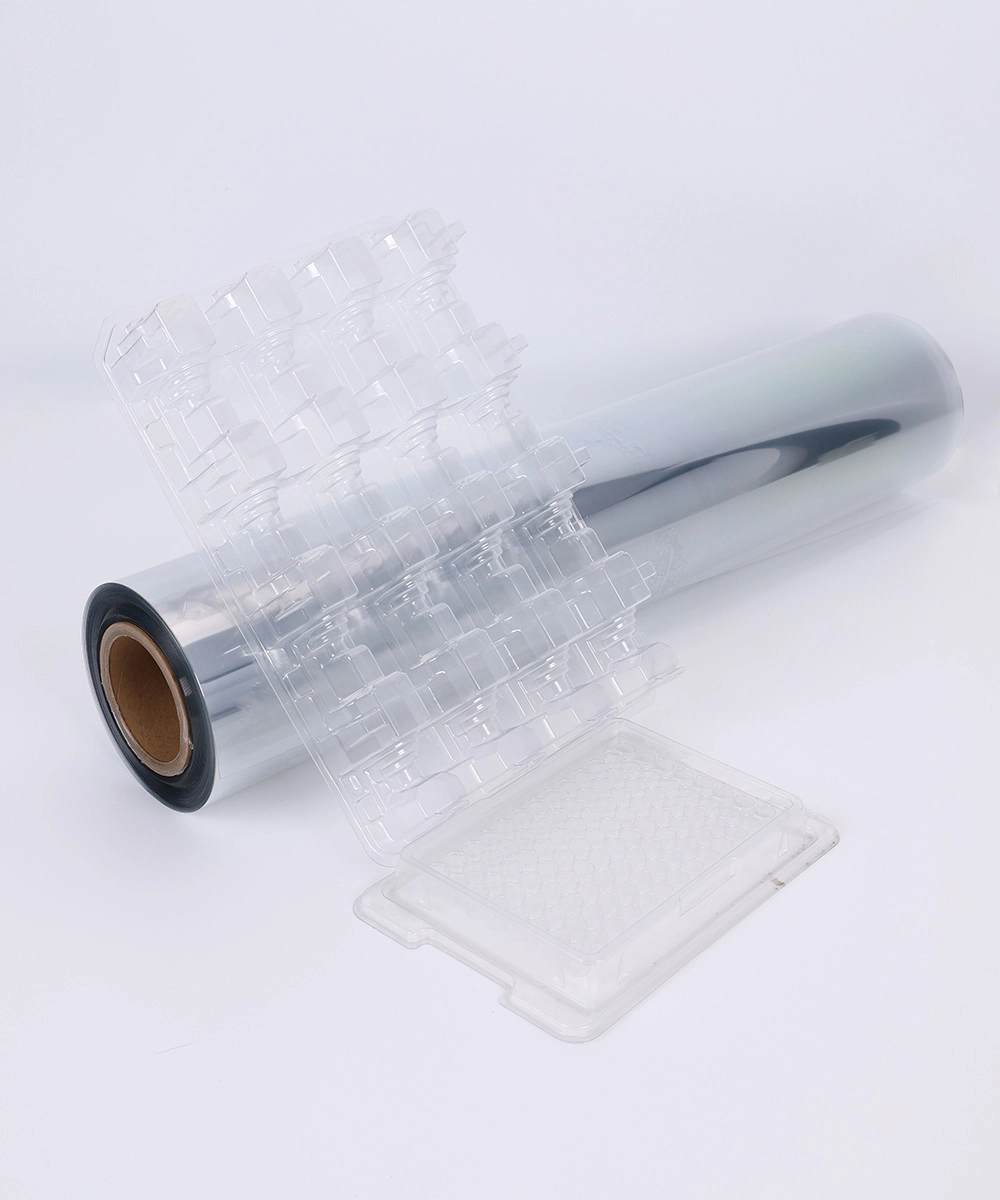
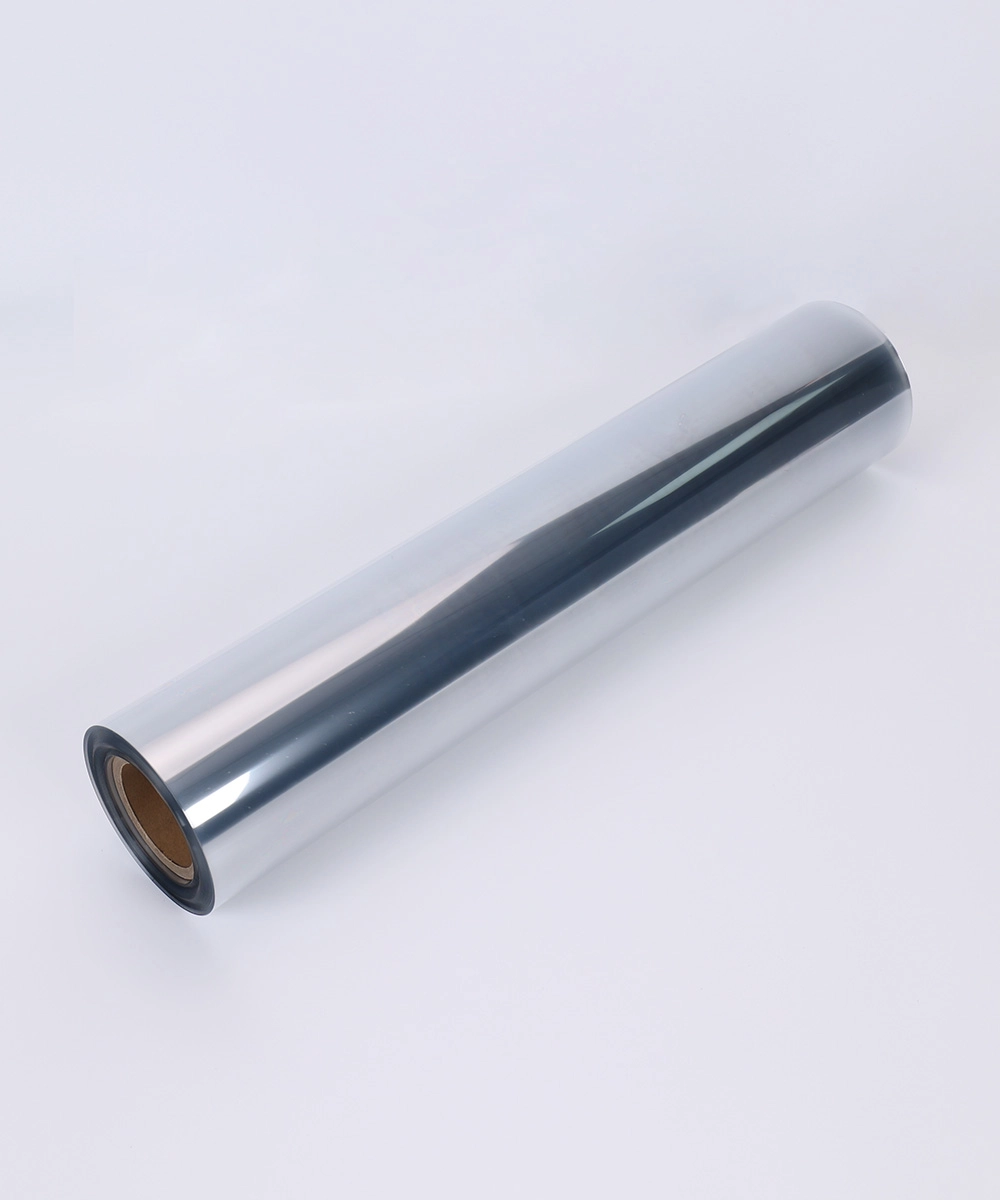
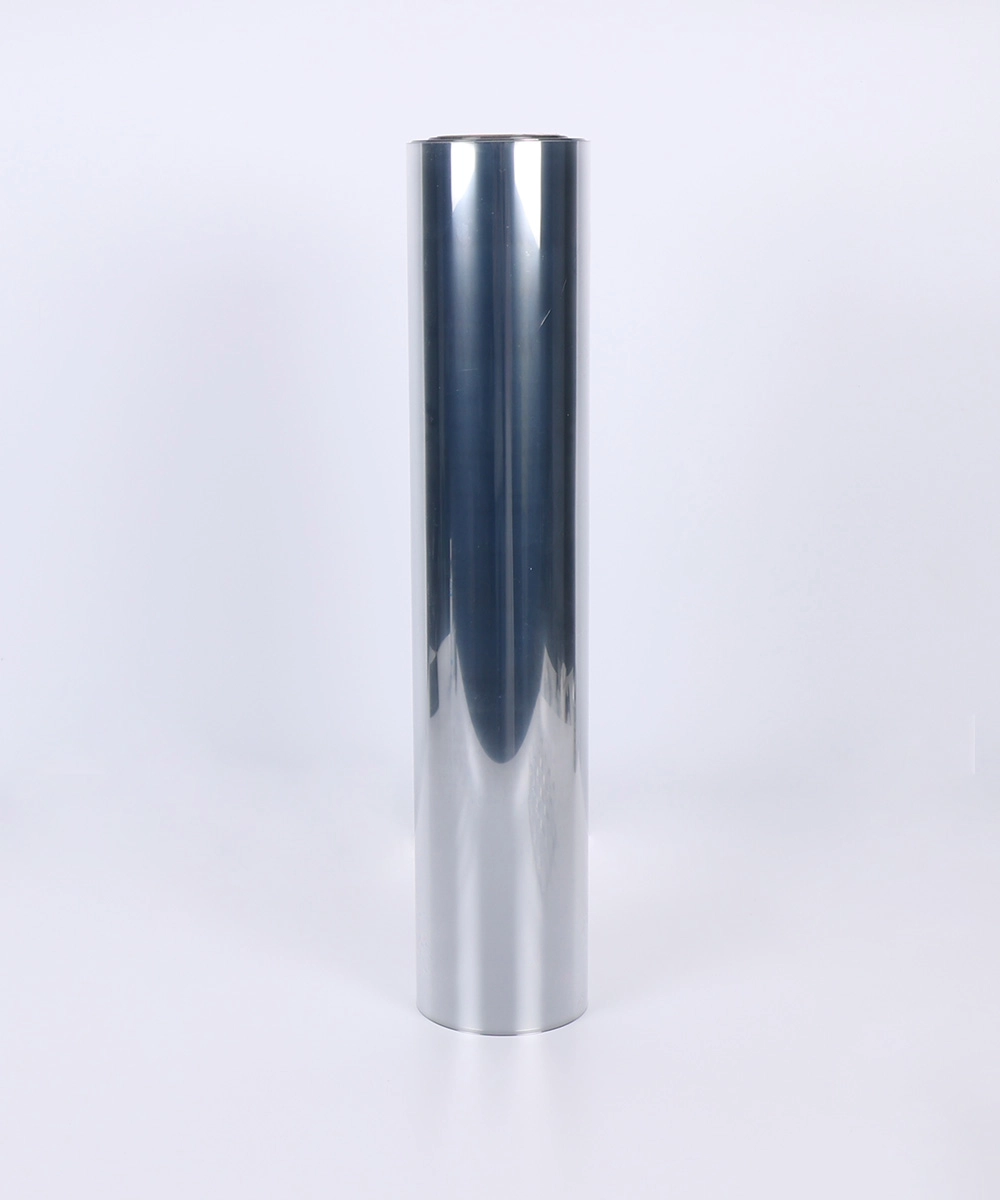
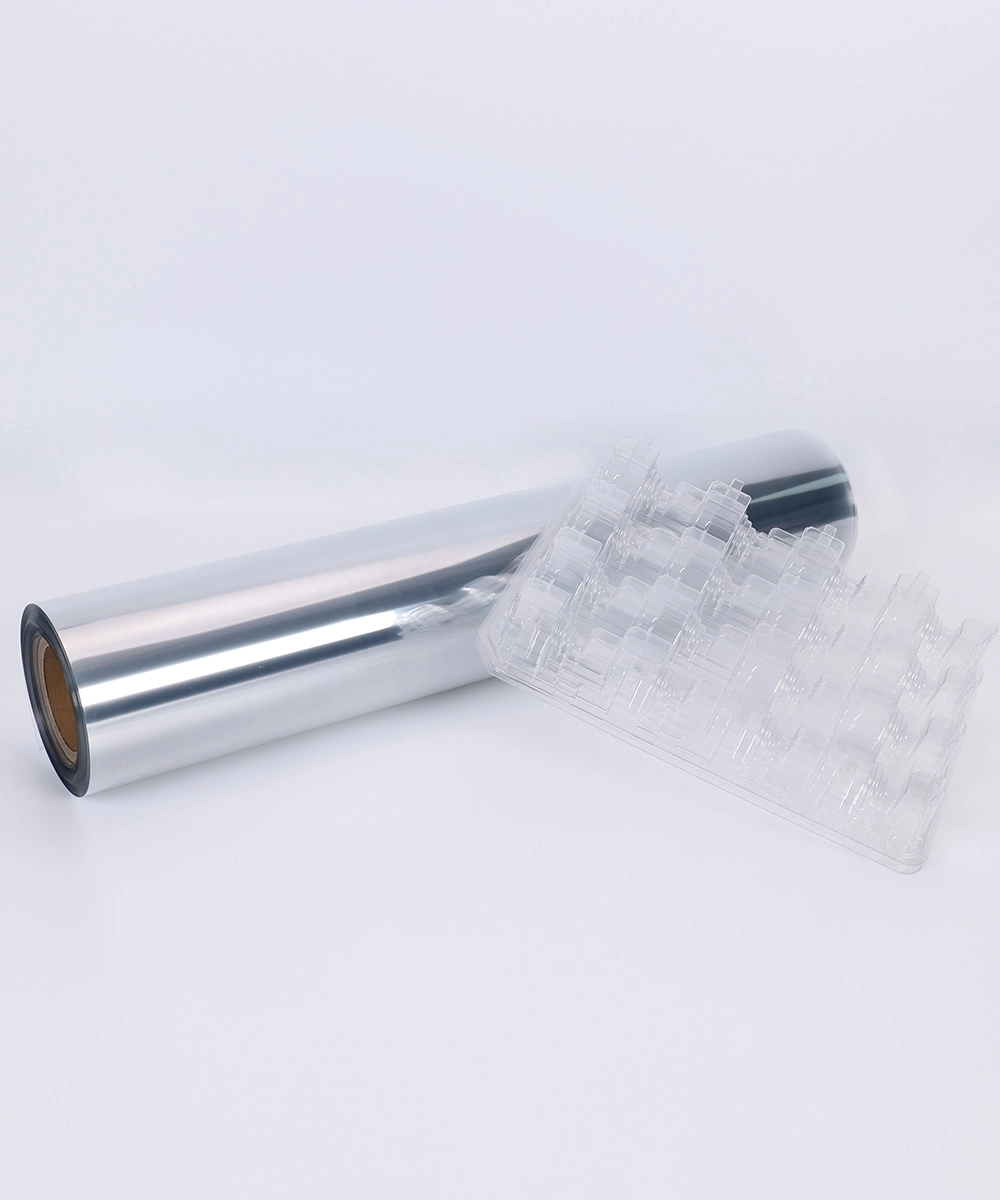
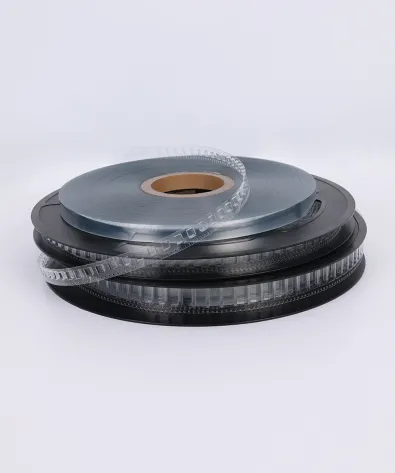
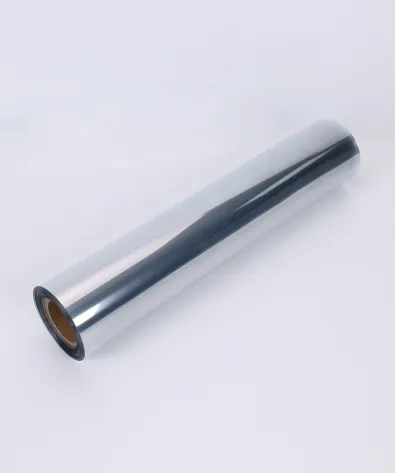
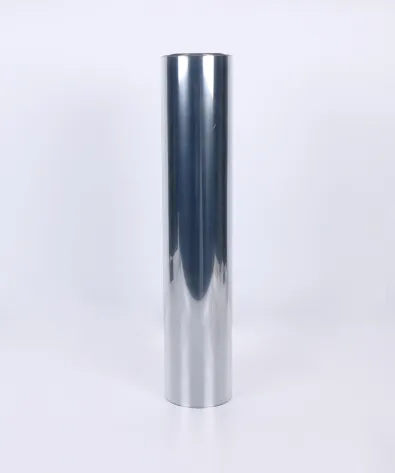
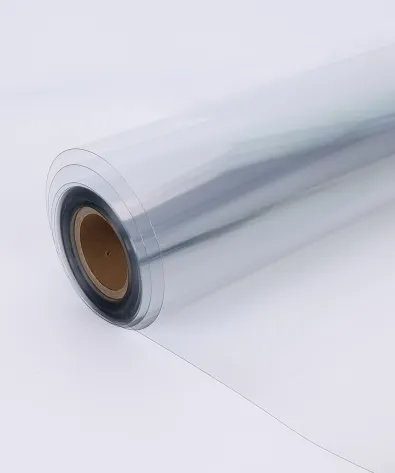
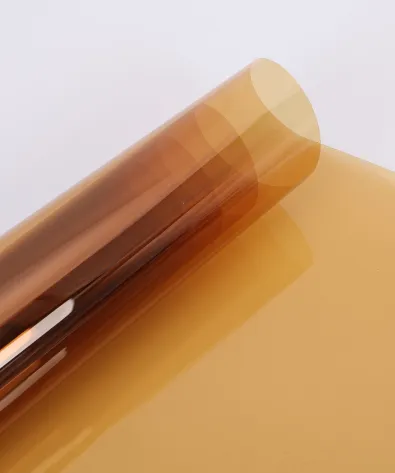
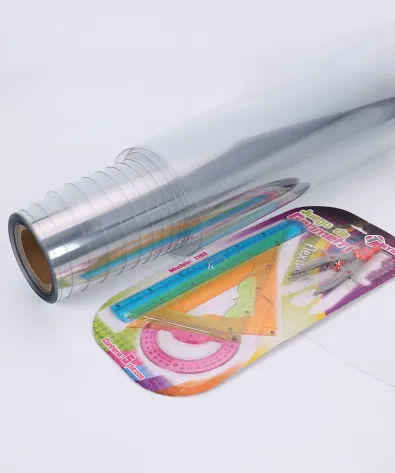
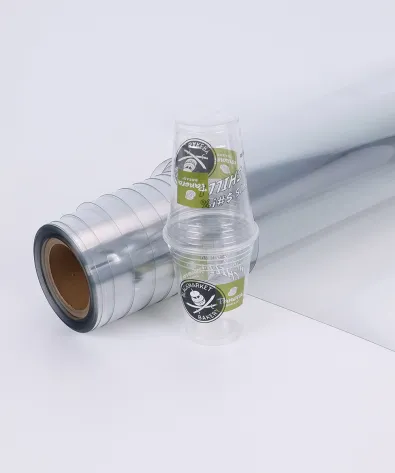
Anti-fog sheets have a wide range of applications, including protective face shields and thermoforming. When placed over hot water, ordinary APET sheets develop fog on their surface, obscuring visibility. However, APET anti-fog sheets remain fog-free and maintain transparency when exposed to hot water.
|
Item |
Conductive |
Antistatic |
Normal |
|
Density(±0.02) |
1.35g/cm3 |
1.35g/cm3 |
1.35g/cm3 |
|
Thickness(±0.015) |
0.2mm-1.3mm |
0.2mm-1.3mm |
0.2mm-1.3mm |
|
S.R.(Ω) |
104-8 |
109-11 |
≧1012 |
|
Width Range (±1.0mm) |
300mm-1000mm |
300mm-1000mm |
300mm-1000mm |
|
Max. Weight(±0.5KG) |
550KG |
550KG |
550KG |
APET Anti-fog Sheet is a functionally enhanced variant of standard Amorphous Polyethylene Terephthalate (APET) plastic sheeting, engineered to eliminate the formation of water condensation droplets on the surface of the material when exposed to temperature differentials — particularly in humid or warm-air environments. Where a conventional APET sheet would quickly cloud over with fog when placed near hot steam, warm food, or heated air, an APET anti-fog sheet preserves full optical clarity under the same conditions. This distinguishing characteristic makes it the preferred choice across food packaging, cold-chain logistics, medical protective equipment, and many other industries where uninterrupted visibility through the material is a non-negotiable performance requirement.
At its core, APET (Amorphous Polyethylene Terephthalate) is a thermoplastic polyester material that is produced without the deliberate crystallisation step used to make CPET. The amorphous structure gives the base material its well-known advantages: exceptional optical clarity, high rigidity at moderate temperatures, good chemical resistance, and excellent thermoformability. When a hydrophilic anti-fog surface treatment or additive system is incorporated into the manufacturing process, the resulting sheet acquires the additional capability of spreading condensation into a continuous, invisible water film rather than allowing discrete droplets to scatter light and create the opaque "fog" effect.
Understanding why ordinary plastic sheets fog up requires a brief examination of surface energy and condensation physics. When warm, moist air contacts a cooler plastic surface, water vapour condenses into tiny liquid droplets. On a hydrophobic surface — one with low surface energy — these droplets bead up into rounded shapes. Each droplet acts as a tiny lens, scattering incoming light and rendering the surface opaque. The higher the density of these micro-droplets, the more severe the fogging.
Anti-fog technology addresses this at the molecular level by increasing the surface energy of the plastic, making it hydrophilic. A high-energy surface causes water molecules to spread laterally and form a uniform, thin film rather than discrete rounded droplets. Because this water film is continuous and has a relatively uniform refractive index, it does not scatter light to any significant degree, and the sheet remains visually clear.
Surface coating involves applying a thin anti-fog coating to one or both faces of the APET sheet during or after the extrusion process. The coating contains hygroscopic (water-attracting) agents — commonly non-ionic surfactants such as sorbitan esters, glycerol monostearate, or polyoxyethylene derivatives — that migrate to and remain active at the surface. These molecules have a hydrophilic head group that bonds to water and a hydrophobic tail group that anchors into the polymer surface, effectively creating a self-renewing water-spreading layer.
Bulk additive incorporation involves blending anti-fog additives directly into the PET resin melt before or during extrusion. In this approach, the active anti-fog molecules are distributed throughout the body of the sheet and gradually migrate to both surfaces over time. This method provides longer-lasting anti-fog performance because, as surface molecules are worn or washed away, fresh molecules from the bulk continuously replenish the surface layer.
Both methods can be applied in combination for superior durability and long-term anti-fog effectiveness. The choice between them depends on the end application's requirements regarding durability, food-contact compliance, and desired longevity of the anti-fog effect.
The following table presents the verified technical parameters for APET Anti-fog Sheet as specified by Haining Hongkai Technology Co., Ltd. on the APET Anti-fog Sheet product page:
| Parameter | Conductive Grade | Antistatic Grade | Normal Grade |
| Density (±0.02) | 1.35 g/cm³ | 1.35 g/cm³ | 1.35 g/cm³ |
| Thickness Range (±0.015 mm) | 0.2 mm – 1.3 mm | 0.2 mm – 1.3 mm | 0.2 mm – 1.3 mm |
| Surface Resistivity (S.R., Ω) | 10⁴ – 10⁸ | 10⁹ – 10¹¹ | ≥ 10¹² |
| Width Range (±1.0 mm) | 300 mm – 1,000 mm | 300 mm – 1,000 mm | 300 mm – 1,000 mm |
| Maximum Roll Weight (±0.5 kg) | 550 kg | 550 kg | 550 kg |
These specifications reflect the standard production parameters and can be adjusted within the stated tolerances to meet project-specific requirements. Buyers are encouraged to reach out via the Contact page to discuss custom configurations.
A density of 1.35 g/cm³ across all three grades confirms that the anti-fog treatment — whether surface-applied or bulk-incorporated — does not alter the fundamental mass-to-volume characteristics of the base APET material. This density is consistent with standard amorphous PET sheet, and it means fabricators can use the same tooling offsets, feed speeds, and material weights that they would apply to any standard APET substrate. The structural integrity remains uncompromised, which is important for thermoforming operations where sheet stiffness and uniform flow characteristics are required.
The available thickness range spans from very thin gauges at 0.2 mm — suitable for lightweight, flexible packaging films, blister packaging inserts, and protective overlay sheets — up to heavier gauges at 1.3 mm that are more appropriate for rigid thermoformed trays, protective face shields, display stands, and structural packaging components. The tight thickness tolerance of ±0.015 mm is significant in production environments because it ensures consistent material distribution during thermoforming, prevents thin spots that could cause rupture, and delivers predictable draw ratios when forming into moulds.
The Conductive Grade (S.R.: 10⁴ – 10⁸ Ω) provides a highly conductive surface that effectively dissipates static charge almost instantly. This grade is primarily used in electronics packaging applications where electrostatic discharge (ESD) can damage sensitive components. When anti-fog capability is combined with ESD protection, the sheet becomes applicable in environments such as cleanroom electronics assembly, where both component protection and clear visual identification of packaged parts are required simultaneously.
The Antistatic Grade (S.R.: 10⁹ – 10¹¹ Ω) occupies the middle ground, providing sufficient static dissipation to prevent the accumulation of electrostatic charge without fully conducting electricity. This grade is well-suited to dusty or particle-sensitive manufacturing environments, as static charge on ordinary plastic sheets tends to attract particulates and contaminate products. Anti-fog antistatic sheet keeps lids and packaging transparent while preventing static-related dust adhesion.
The Normal Grade (S.R.: ≥ 10¹² Ω) is a standard insulating sheet that focuses purely on the anti-fog function without any electrostatic modification. This is the appropriate choice for general food packaging, supermarket refrigerated display, catering equipment lids, and other applications where electrostatic management is not required but optical clarity under temperature differentials is essential.
The standard production width range of 300 mm to 1,000 mm accommodates a broad spectrum of thermoforming machines and fabrication equipment. Narrower widths around 300–400 mm are frequently used for specialised blister packaging lines, while widths approaching 1,000 mm serve large-format tray forming, flat-sheet cutting operations, and wide-format display applications. The ±1.0 mm width tolerance ensures that sheets can be registered accurately in automated cutting and forming equipment without edge variation causing alignment errors.
The maximum roll weight of 550 kg is a practical specification reflecting production reel diameter limits and the safe handling weight for standard industrial unwinding equipment. At 550 kg, rolls offer long run lengths that minimise the frequency of reel changes in continuous thermoforming lines, improving production uptime and efficiency.
Beyond the parameters listed in the official specification table, APET Anti-fog Sheet shares the broader physical profile of APET plastic, augmented by its functional surface treatment.
Light transmittance is typically above 88% for standard clear APET base material. The anti-fog treatment maintains or marginally improves apparent transmittance in humid conditions by eliminating the light-scattering fog layer that would otherwise reduce effective transparency to near zero. In practical terms, this means that refrigerated food displays, clamshell packaging, and protective shields maintain their full advertising and safety value even in environments with significant moisture or temperature differentials.
Haze values for APET are generally below 2% under dry measurement conditions. When fog forms on an untreated APET surface, measured haze can increase dramatically — effectively making the packaging or shield opaque. The anti-fog-treated surface prevents this haze increase, maintaining low haze across the operational temperature and humidity range.
Tensile strength and elongation at break for APET are broadly consistent with standard polyester sheeting, with tensile strength in the machine direction typically in the range of 50–80 MPa and elongation at break between 100% and 200%, depending on sheet gauge and processing conditions. The anti-fog treatment does not significantly alter these bulk mechanical properties, meaning the sheet performs comparably to standard APET in thermoforming, die-cutting, and folding operations.
The glass transition temperature (Tg) of APET is approximately 75–80°C. This determines the thermoforming window — the material softens for forming above this temperature and returns to a rigid state below it. Anti-fog additive systems are selected to be thermally stable through this processing window so that the anti-fog functionality survives the heat exposure inherent in thermoforming.
Chemical resistance of APET is good against dilute acids, alcohols, and many solvents under short-term exposure, but the material is attacked by strong bases and certain aromatic solvents. When evaluating the anti-fog sheet for applications involving cleaning agents or disinfectants — particularly relevant for food-contact packaging or medical face shields — it is advisable to confirm compatibility of both the base material and the anti-fog treatment with the specific chemicals involved.
In industry practice, anti-fog performance of plastic sheeting is evaluated using standardised test methods that simulate real-world fogging conditions. The most commonly referenced method involves placing a sheet over a container of hot water at a specified temperature (often 40°C or 50°C) and evaluating the surface visually or by measuring haze at defined time intervals. A material passes the test if it maintains a haze value below a specified threshold (typically below 5% or below 10%, depending on the standard) throughout the defined test duration.
Additional evaluation methods include cold fog testing, where a cool sheet is exposed to warm moist air, and long-term durability testing, where repeated fog exposure or washing cycles are used to assess how well the anti-fog treatment retains its effectiveness over the product's service life. Durability is particularly important for reusable items such as protective face shields and kitchen equipment lids, where the anti-fog treatment must remain active through regular cleaning.
Buyers performing incoming quality inspection on APET Anti-fog Sheet should establish clear acceptance criteria based on their specific end-use application and test conditions before production begins.
The functional combination of APET's inherent material properties — clarity, rigidity, thermoformability, and chemical resistance — with active anti-fog surface performance creates a material that is highly versatile across multiple sectors.
This is the most widespread application segment for APET Anti-fog Sheet. Supermarket refrigerated counters, salad bar covers, fresh produce clamshells, prepared meal packaging lids, sandwich boxes, and deli display cases all benefit directly from anti-fog functionality. In cold-chain environments, packages repeatedly experience temperature transitions from production at ambient temperature, through refrigerated storage, and into the relatively warmer conditions of a retail display case or consumer refrigerator. Each transition can cause condensation on untreated packaging surfaces. With anti-fog sheet, the food inside remains clearly visible to the consumer at every point in the supply chain, maintaining the presentational and commercial value of the product.
Thermoformed trays and lids made from APET Anti-fog Sheet can be produced using the same tooling and processes used for standard APET — vacuum forming, pressure forming, and plug-assist thermoforming are all compatible — making conversion straightforward for packaging manufacturers already working with APET substrates.
Face shields made from clear plastic require unobstructed vision for the wearer. In applications where breathing creates warm, humid airflow against the inner surface of a face shield — in medical settings, food preparation environments, or cold-store working conditions — standard APET face shield blanks will fog rapidly, impairing the wearer's vision and defeating the purpose of the protective equipment. APET Anti-fog Sheet provides the solution by maintaining clear vision regardless of breathing conditions or ambient humidity. The 0.2 mm to 0.5 mm thickness range within the available specification is typically appropriate for face shield fabrication, offering sufficient rigidity to hold shape while remaining lightweight for extended wear.
Sneeze guards, buffet display covers, hot food display domes, and catering tray lids all operate in environments where steam and hot air are constantly present. APET Anti-fog Sheet, thermoformed into the required cover or dome shape, maintains the display's visual appeal and food presentation quality even above steaming food trays or in high-humidity catering environments.
When combined with the conductive or antistatic grades available in Hongkai's product range, APET Anti-fog Sheet serves in electronics packaging applications — blister packs, carrier trays, and component inspection windows — where both ESD protection and clear visibility of the enclosed components are required. For more information on the related APET Carrier Tape Sheets used in electronics packaging, see the APET Carrier Tape Sheets product page.
Beyond food and medical use, APET Anti-fog Sheet finds application in point-of-purchase displays, transparent storage containers, greenhouse panels for horticultural use, and institutional equipment lids. In any setting where a transparent enclosure is exposed to fluctuating temperatures or humidity, anti-fog sheet eliminates the periodic need to wipe down surfaces to restore clarity, reducing maintenance burden and improving the functional longevity of the enclosure.
| Property | Standard APET Sheet | APET Anti-fog Sheet |
| Base Material | Amorphous PET | Amorphous PET |
| Anti-fog Functionality | None | Yes — surface treated or bulk-additive |
| Optical Clarity (dry conditions) | Excellent | Excellent |
| Optical Clarity (humid / warm conditions) | Significantly impaired by fog | Maintained |
| Thermoformability | Excellent | Excellent |
| Electrostatic Control Grades | Available separately | Conductive, Antistatic, and Normal grades |
| Typical Applications | General packaging, displays, trays | Food packaging, face shields, catering lids, electronics |
| Food Contact Suitability | Standard compliance | Application-specific; confirm with supplier |
For standard APET sheet without anti-fog treatment, Hongkai also offers APET Plastic Sheets, which share the same base material properties and processing characteristics without the functional surface treatment.
Hongkai produces a range of specialty PET sheets, each engineered for a specific functional requirement.
| Product | Key Functional Differentiator | Suitable For |
| APET Anti-fog Sheet | Anti-fog surface treatment | Food packaging, shields, catering |
| R-PET Plastic Sheets | Made from recycled PET resin | Sustainability-focused packaging |
| BIO-PET Plastic Sheets | Bio-based PET raw material | Eco-packaging, reduced carbon footprint |
| APET Colored Sheets | Pigmented for colour and branding | Branded packaging, displays |
| GAG Sheets | GPPS / APET / GPPS trilayer | Improved surface finish and rigidity |
| High-Temp & Low-Temp PET Sheets | Extended temperature performance | Automotive, industrial, extreme climates |
| UV-Resistant APET Sheet | UV stabiliser additives | Outdoor signage, greenhouse glazing |
| C-PET Plastic Sheet | Crystallised PET for heat resistance | Ovenable trays, dual-oven packaging |
| APET Carrier Tape Sheets | Precision dimensional tolerances | Electronics component taping and reeling |
For applications where anti-fog performance is the primary requirement, APET Anti-fog Sheet is the clear product of choice. However, buyers with secondary requirements — such as recycled content, UV resistance, or extreme temperature performance — may benefit from discussing multi-functional custom formulations with Hongkai's technical team.
APET Anti-fog Sheet processes well on standard thermoforming equipment. The following guidelines reflect general best practices for amorphous PET sheet and should be adapted based on specific machine parameters, mould geometry, and sheet gauge:
Pre-drying is recommended if the sheet has been stored in high-humidity conditions. While APET is less hygroscopic than nylon or some other engineering thermoplastics, absorbed moisture can cause surface blistering or reduced clarity during thermoforming. Drying at approximately 65°C for four to six hours in a dehumidifying dryer is typically sufficient.
Sheet heating during thermoforming should bring the sheet surface temperature into the range of approximately 120°C to 180°C, depending on the target draw ratio and the complexity of the mould geometry. Infrared heaters with independent zone control allow for differential heating that compensates for the natural tendency of thin-gauge edges to overheat relative to the centre of the sheet.
Mould temperature influences the clarity and crystallinity of the finished part. Lower mould temperatures (below approximately 60°C) produce clear, amorphous formed parts, which is the desired outcome for packaging and display applications. Higher mould temperatures promote surface crystallinity and create an opaque white appearance, which is the process used for C-PET Plastic Sheet in ovenable tray applications but is undesirable for anti-fog packaging.
Forming pressure, whether vacuum only or combined vacuum-and-pressure, should be matched to the depth and complexity of the part. Deeper draws and finer surface detail require higher forming pressures. The anti-fog surface treatment on Hongkai's APET Anti-fog Sheet is formulated to remain active and intact through the thermoforming process, so no special modification to the moulding cycle is required to preserve the anti-fog function.
Post-forming operations such as trimming, die-cutting, folding, and heat sealing are fully compatible with APET Anti-fog Sheet. Heat-sealing parameters should be established on a trial basis to confirm seal integrity and visual appearance, as the anti-fog surface layer can affect seal initiation temperature and peel characteristics.
APET is a fully recyclable thermoplastic within established PET recycling streams (typically identified by resin identification code 1, PETE). APET Anti-fog Sheet, where the anti-fog additive system is compatible with existing PET recycling processes, can contribute to circular economy goals. This is particularly relevant in food packaging, where regulators and brand owners are increasingly requiring recyclability as a condition of product approval.
Buyers with strong sustainability commitments may also wish to explore Hongkai's R-PET Plastic Sheets, which incorporate post-consumer recycled PET content, or BIO-PET Plastic Sheets, which use bio-based feedstocks to reduce reliance on fossil fuel-derived raw materials. Both of these options are available from Hongkai's APET Plastic product range.
For anti-fog sheet applications where environmental certification is a procurement requirement, buyers should request documentation from Hongkai confirming the specific additive system used and its compatibility with established recycling streams and food-contact regulatory frameworks.
Haining Hongkai Technology Co., Ltd. has obtained ISO 9001 and ISO 14001 certification, reflecting a management commitment to both product quality consistency and environmental responsibility in manufacturing operations. Products are also SGS certified, providing independent third-party verification of material performance and safety compliance.
The company operates two advanced PET extrusion production lines with a combined monthly output capacity of 700 tonnes, positioned in Jianshan New District, Haining City, within the Yangtze River Delta Economic Zone — a region recognised as a hub for advanced materials manufacturing in China. This production infrastructure, combined with more than 20 years of accumulated experience in PET sheet research, development, and sales, supports reliable supply continuity and consistent product quality across large-volume orders.
Full details of the company's history, manufacturing facilities, and quality philosophy are available on the About Us page.
How does APET Anti-fog Sheet maintain clarity over hot water? The anti-fog surface treatment causes condensed water to spread into a thin, uniform film instead of forming discrete droplets that scatter light. The result is that the sheet appears fully transparent even when warm, moist air contacts its surface.
Can APET Anti-fog Sheet be used in direct food contact? Food-contact suitability depends on the specific anti-fog additive system and the applicable regulatory market. Many standard anti-fog surfactant systems used in PET packaging have broad food-contact approvals, but buyers should confirm specific compliance documentation with Hongkai before deployment in food-contact applications.
Does thermoforming degrade the anti-fog treatment? Hongkai's anti-fog treatment is formulated to be thermally stable through the thermoforming temperature range applicable to APET. The anti-fog function is retained in finished thermoformed parts under normal processing conditions.
What is the difference between conductive and antistatic anti-fog sheet? The conductive grade (S.R.: 10⁴ – 10⁸ Ω) dissipates static charge rapidly and is used where ESD protection for sensitive electronics is required. The antistatic grade (S.R.: 10⁹ – 10¹¹ Ω) prevents charge build-up and is appropriate for dust-sensitive environments. The normal grade (S.R.: ≥ 10¹² Ω) provides standard insulation and is used where electrostatic control is not required.
Is APET Anti-fog Sheet recyclable? APET base material is recyclable within standard PET (resin code 1) recycling infrastructure. The recyclability of the anti-fog-treated sheet in a specific recycling stream depends on the additive system. Buyers with recycling requirements should confirm additive compatibility with Hongkai's technical team.
How should APET Anti-fog Sheet be stored? Rolls should be stored in a cool, dry environment away from direct sunlight, UV sources, and chemical fumes. Horizontal storage on suitable rack systems prevents roll deformation. Standard storage conditions for PET plastic sheet apply.
Share Your Contact Information For Personalized Service.