
 +86-150-5857-3741+86-136-0679-8873
 carolzhang@hnhktech.com
+86-150-5857-3741+86-136-0679-8873carolzhang@hnhktech.com
carolzhang@hnhktech.com
+86-150-5857-3741+86-136-0679-8873carolzhang@hnhktech.com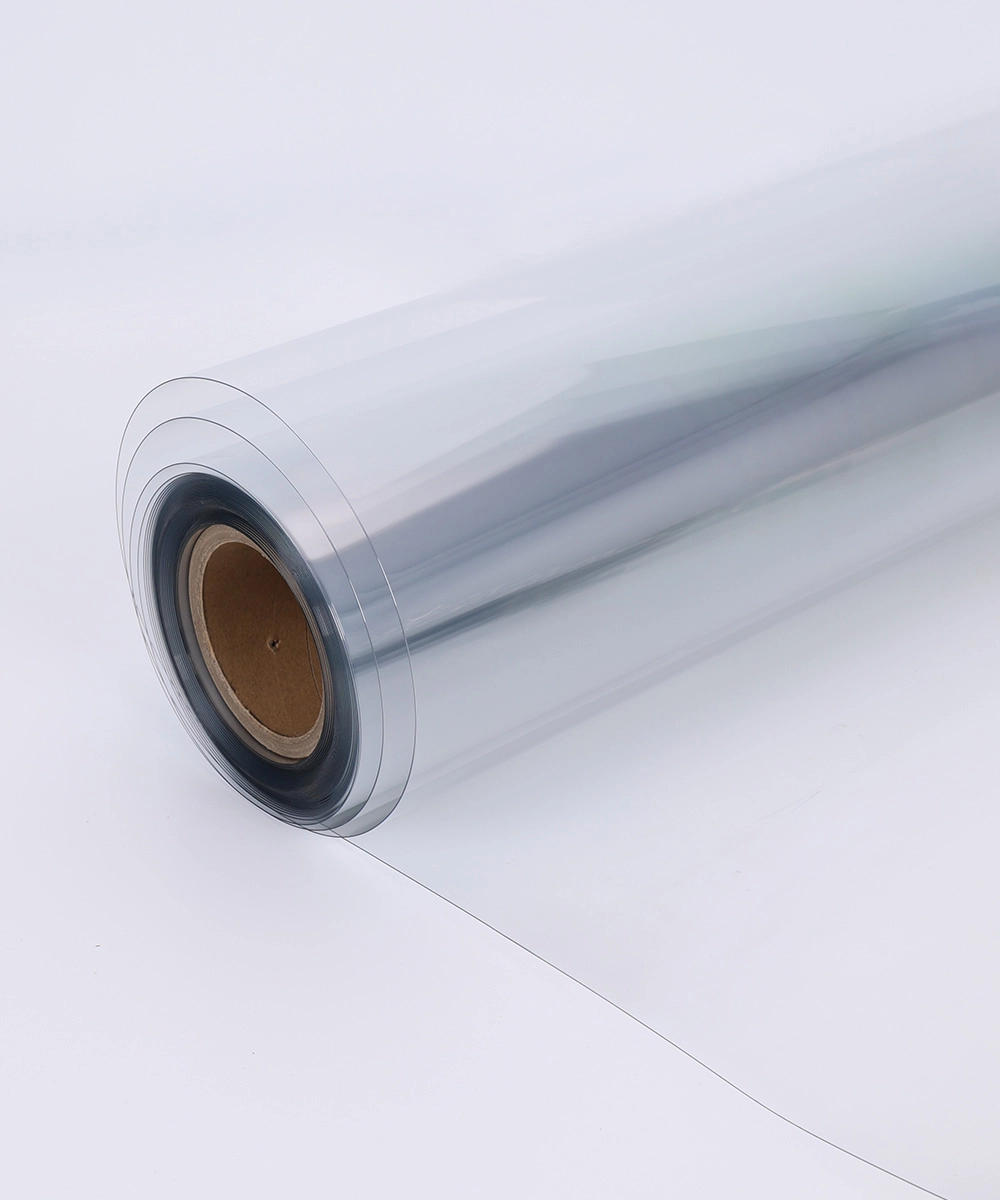
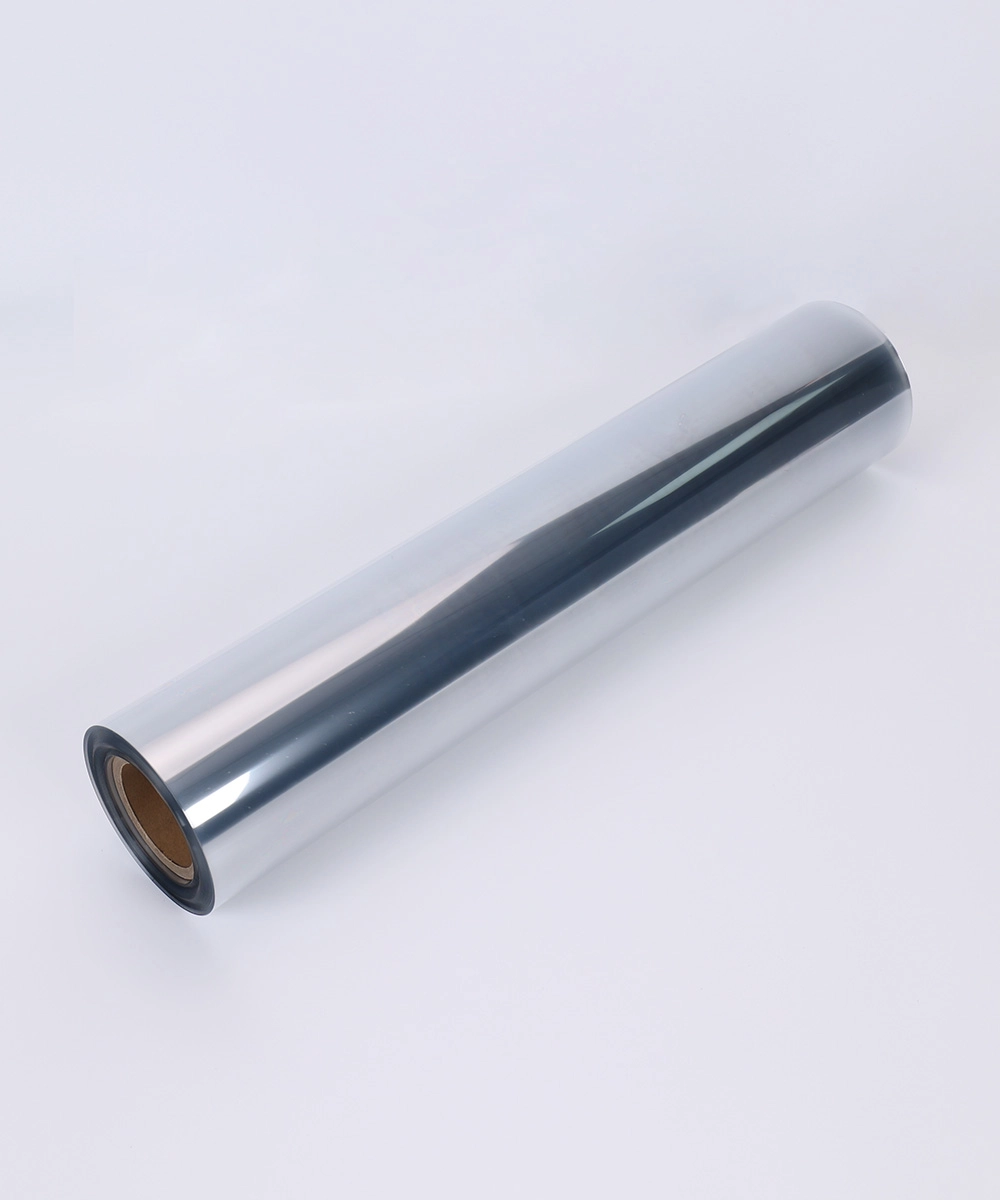
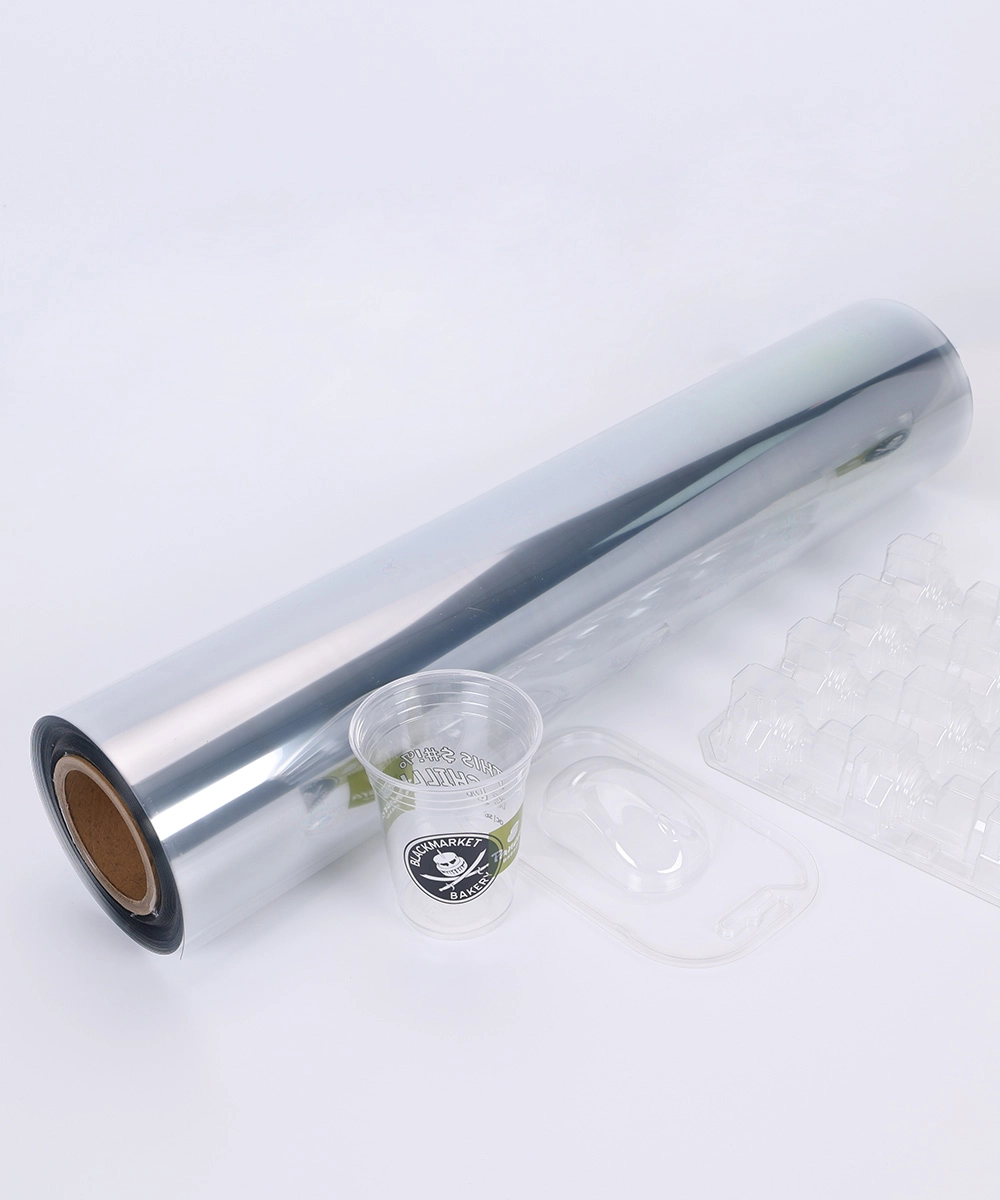
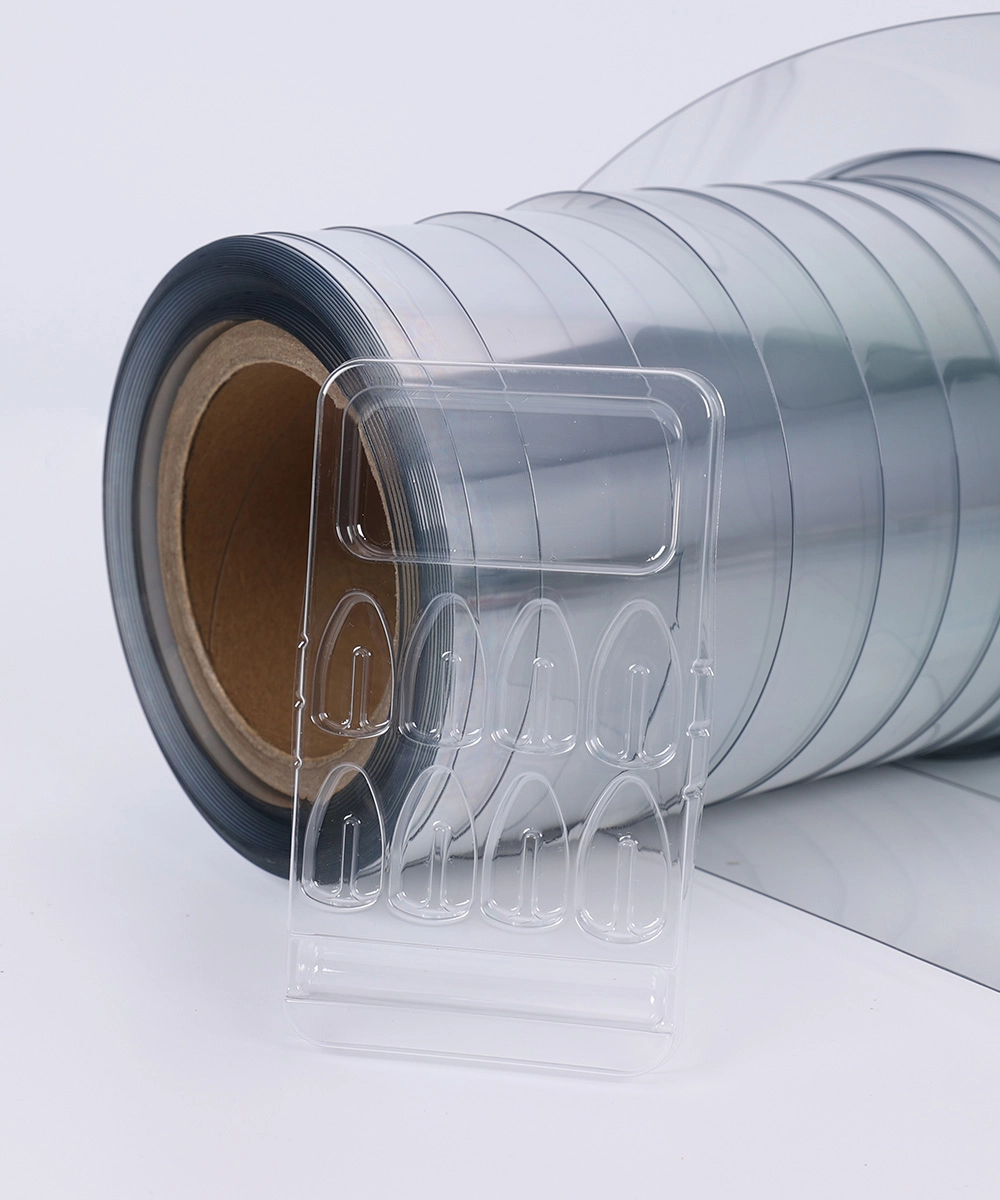
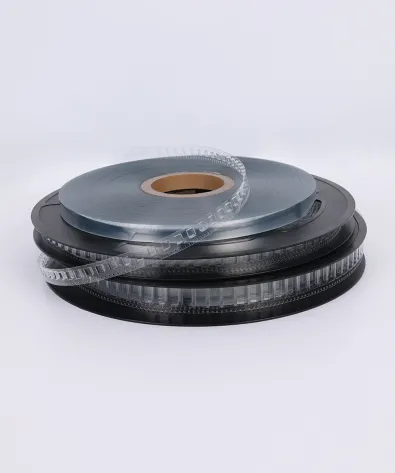
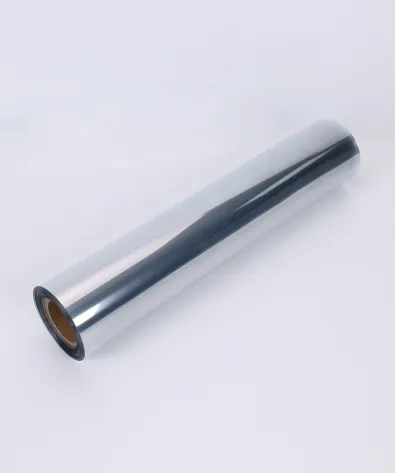
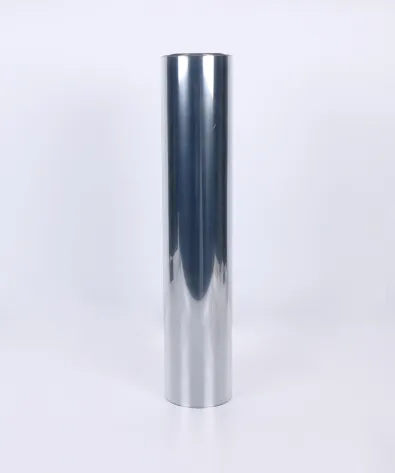
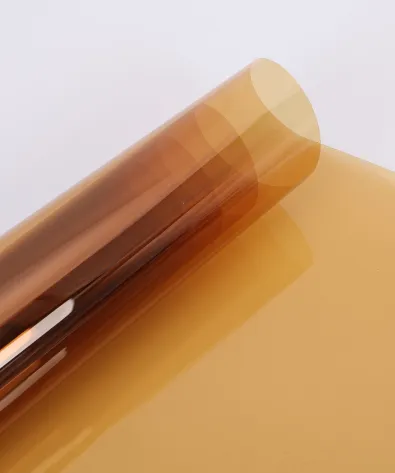
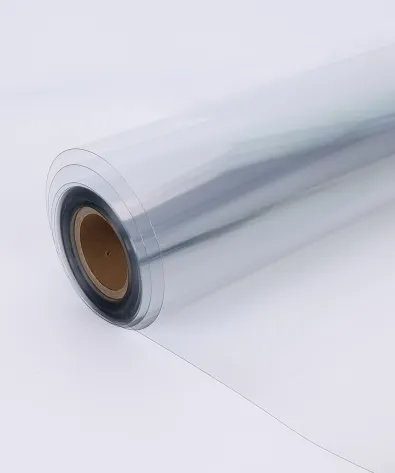
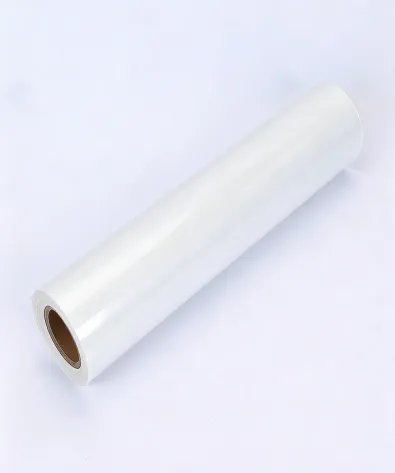
Bio-PET is derived from bio-based feedstocks, a sheet material composed of petroleum-based raw materials blended with up to 30% MEG extracted from sugarcane. This formulation significantly reduces reliance on petroleum-based fossil fuels during production while offering full recyclability and performance characteristics comparable to conventional APET.
1. Environmentally friendly
2. Identical performance to standard PET
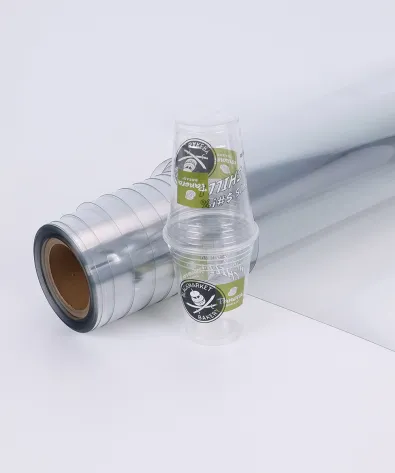
1. Food packaging
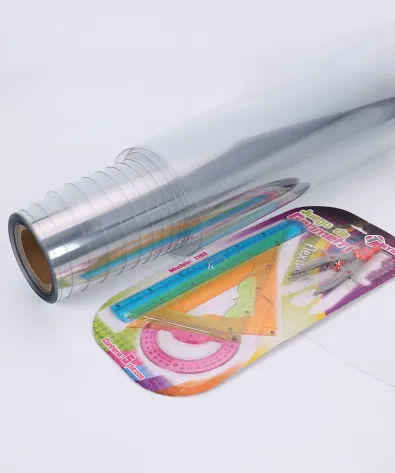
2. Toy or electronic packaging
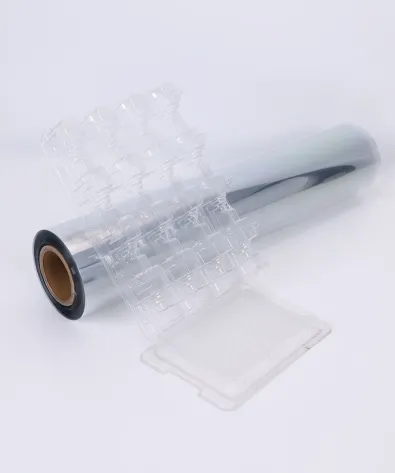
3. Packaging for computer accessories such as mice and keyboards
|
Item |
Conductive |
Antistatic |
Normal |
|
Density(±0.02) |
1.35g/cm3 |
1.35g/cm3 |
1.35g/cm3 |
|
Thickness(±0.015) |
0.2mm-1.3mm |
0.2mm-1.3mm |
0.2mm-1.3mm |
|
S.R.(Ω) |
104-8 |
109-11 |
≧1012 |
|
Width Range (±1.0mm) |
300mm-1000mm |
300mm-1000mm |
300mm-1000mm |
|
Max. Weight(±0.5KG) |
550KG |
550KG |
550KG |
Biodegradable APET sheets represent a significant advancement in sustainable plastic manufacturing, combining environmental responsibility with exceptional performance characteristics. Produced by Haining Hongkai Technology Co., Ltd., these innovative sheets are engineered to meet the growing demand for eco-conscious packaging solutions without compromising on quality or functionality. Bio-PET is derived from bio-based feedstocks, utilizing a formulation that blends petroleum-based raw materials with up to 30% MEG (monoethylene glycol) extracted from sugarcane. This revolutionary composition significantly reduces reliance on petroleum-based fossil fuels during production while maintaining full recyclability and performance characteristics comparable to conventional APET sheets.
Bio-PET technology represents a paradigm shift in the plastic packaging industry. Unlike traditional polyethylene terephthalate (APET), which relies entirely on fossil fuel derivatives, biodegradable APET sheets incorporate renewable resources at the molecular level. The integration of sugarcane-derived MEG creates a hybrid material that maintains the structural integrity and performance properties of standard APET while substantially reducing the carbon footprint associated with production. This technological approach addresses one of the most pressing challenges in modern packaging: the need to balance material performance with environmental sustainability.
The bio-based content of up to 30% represents a carefully calibrated formulation developed through extensive research and development. This percentage was selected to optimize the balance between renewable resource utilization and material performance, ensuring that manufacturers and consumers do not sacrifice functionality for environmental benefits. The result is a material that delivers identical performance to standard PET across all critical applications.
The environmental advantages of biodegradable APET sheets extend far beyond reduced fossil fuel consumption. By incorporating sugarcane-derived MEG, these sheets help reduce greenhouse gas emissions during production compared to conventional petroleum-based alternatives. The renewable nature of sugarcane as a feedstock supports sustainable agricultural practices and reduces the overall carbon footprint of the supply chain.
Full recyclability represents another cornerstone benefit. Biodegradable APET sheets can be integrated into existing recycling infrastructure designed for conventional PET materials, eliminating the need for separate collection and processing systems. This compatibility ensures that end-of-life management remains efficient and economically viable for manufacturers and recycling facilities alike. The sheets maintain their molecular compatibility with recycled PET (R-PET) streams, enabling a circular economy approach to plastic packaging.
For manufacturers seeking to enhance their environmental credentials, biodegradable APET sheets offer tangible proof of commitment to sustainability. Products packaged using these sheets can be marketed as containing renewable content, appealing to environmentally conscious consumers and supporting corporate sustainability initiatives.
Biodegradable APET sheets from Haining Hongkai Technology Co., Ltd. are manufactured to rigorous technical standards ensuring consistency and reliability.
The consistency of density across all product variants ensures predictable behavior during thermoforming, injection molding, and other processing applications. The wide thickness range accommodates diverse packaging requirements, from delicate product protection to structural support applications. Width specifications suit both small-format and large-scale industrial operations.
Biodegradable APET sheets are available in three electrical grades, each engineered for specific application requirements:
The normal grade maintains the inherent electrical properties of standard APET, suitable for general-purpose packaging applications. The antistatic variant incorporates specialized additives that reduce surface charge buildup, making it ideal for packaging sensitive electronics, computer components, and semiconductor devices where static discharge poses a risk. The conductive grade provides the highest level of electrostatic control, essential for applications demanding electromagnetic shielding or continuous grounding pathways.
One of the most significant achievements in biodegradable APET sheet development is achieving complete performance parity with conventional APET materials.
Food packaging represents the largest and most demanding application category for biodegradable APET sheets. The material's excellent clarity allows consumers to see the product, building confidence in quality while supporting brand presentation. The sheets' barrier properties protect food products from oxidation and moisture ingress, extending shelf life and maintaining freshness.
Thermoformed food trays, blister packs, and rigid containers manufactured from biodegradable APET sheets comply with food contact regulations in major markets including North America, Europe, and Asia-Pacific regions. The material's thermal stability permits hot-fill applications where freshly processed foods are packaged at elevated temperatures, and cold-chain applications where products remain refrigerated throughout distribution.
Biodegradable APET sheets have become increasingly important in electronics packaging, where protection from electrostatic discharge is critical. Computer mouse and keyboard packaging represents a significant application area, with the antistatic and conductive grades providing essential ESD protection during manufacturing, warehousing, and transportation.
The dimensional stability of biodegradable APET sheets ensures tight tolerances for component nesting and proper fit within shipping cartons, reducing damage and product loss throughout the supply chain.
The toy and novelty product packaging industry benefits from biodegradable APET sheets' combination of clarity, rigidity, and environmental credentials. The material's ability to be thermoformed into complex shapes accommodates innovative packaging designs that enhance shelf appeal and consumer engagement.
The sheets' food-contact compliance and non-toxic properties make them suitable for packaging toys and children's products, meeting stringent safety regulations in major markets. The antistatic properties protect electronic components in battery-powered toys and interactive devices.
Biodegradable APET sheets from Haining Hongkai Technology Co., Ltd. offer extensive customization options to meet specific manufacturing requirements. The wide range of available thicknesses accommodates different load requirements and aesthetic preferences. Electrical grades enable manufacturers to select the optimal static management solution for their specific application.
Color customization capabilities allow manufacturers to integrate branded colors into packaging solutions while maintaining the environmental benefits of bio-based formulations. The sheets' processing characteristics mirror conventional APET, allowing manufacturers to leverage existing thermoforming equipment, injection molding technology, and vacuum-forming systems without capital investment in specialized machinery.
Processing parameters established for conventional APET typically require minimal adjustment for biodegradable variants, reducing development costs and accelerating time-to-market for new products. Temperature profiles, pressure settings, and cooling cycles remain within the familiar ranges established by decades of APET industry experience.
Haining Hongkai Technology Co., Ltd. maintains rigorous quality control throughout the biodegradable APET sheet manufacturing process. Each production batch undergoes testing to verify dimensional accuracy, mechanical properties, and electrical characteristics. The company's commitment to consistency ensures that manufacturers can rely on predictable material behavior across multiple purchase orders and production runs.
The manufacturing facility incorporates modern equipment and process controls to maintain the specified ±0.015 mm thickness tolerance and ±1.0 mm width tolerance. These tight tolerances are essential for applications where precise dimensions affect product fit, functionality, or shelf appearance.
Biodegradable APET sheets' sustainability benefits extend throughout their entire product life-cycle. From raw material sourcing through end-of-life recycling, these sheets demonstrate measurable environmental improvements compared to conventional alternatives.
The use of sugarcane-derived MEG supports agricultural sustainability in sugarcane-producing regions, contributing to renewable feedstock economies. Sugarcane cultivation sequesters atmospheric carbon, and the use of processing byproducts (bagasse) for biofuel production optimizes resource utilization throughout the supply chain.
During the manufacturing phase, reduced reliance on petroleum-based fossil fuels directly translates to lower greenhouse gas emissions and decreased consumption of non-renewable resources. The use of established petrochemical refining and polymerization infrastructure for the remaining 70% of formulation ensures efficient production without requiring entirely new manufacturing facilities.
At end-of-life, biodegradable APET sheets integrate seamlessly into existing PET recycling streams. Advanced sorting technologies already deployed in modern recycling facilities can process these materials without modification, and recycled content from biodegradable APET can be blended with virgin material or incorporated into secondary applications without quality compromise.
Biodegradable APET sheets manufactured by Haining Hongkai Technology Co., Ltd. comply with food contact regulations across major jurisdictions including:
These regulatory certifications ensure that manufacturers can confidently specify biodegradable APET sheets for food packaging applications without additional migration testing or safety qualification.
The bio-based MEG component meets all regulatory requirements for food contact substances, having undergone extensive safety evaluation and approval in major markets. The material generates no unusual migration patterns compared to conventional APET, demonstrating complete safety equivalence from a food contact perspective.
Biodegradable APET sheets offer distinct advantages compared to other sustainable packaging alternatives. Unlike compostable materials such as polylactic acid (PLA) or polybutylene adipate terephthalate (PBAT), biodegradable APET maintains compatibility with existing recycling infrastructure. This characteristic eliminates the contamination risk posed by compostable materials entering conventional PET recycling streams, which can degrade the quality of recycled resin.
Compared to recycled PET (R-PET), biodegradable APET provides consistent performance from virgin materials while supporting renewable content requirements. Many manufacturers blend biodegradable APET with recycled content, combining the benefits of reduced fossil fuel consumption with the environmental advantages of post-consumer or post-industrial material recovery.
Relative to paper-based or fiber-based packaging alternatives, biodegradable APET delivers superior barrier properties, enabling extended shelf life for moisture-sensitive products. The material's clarity and rigidity also support product visibility and brand presentation more effectively than many fiber-based alternatives.
The global plastic packaging industry faces increasing pressure to reduce fossil fuel consumption and greenhouse gas emissions. Major brand owners and retailers have established packaging sustainability commitments requiring suppliers to transition toward renewable and recycled content materials. Biodegradable APET sheets address these requirements while maintaining the performance and cost-efficiency that manufacturers demand.
Regulatory initiatives in Europe, North America, and Asia-Pacific regions are progressively restricting virgin plastic usage and mandating increased recycled or renewable content in packaging. Biodegradable APET sheets enable manufacturers to comply with emerging regulations while avoiding the technical challenges and performance compromises associated with fully bio-based or compostable materials.
Consumer preference for sustainable packaging continues to grow, with survey data indicating that environmentally conscious consumers increasingly consider packaging sustainability as a purchase decision factor. Products packaged in biodegradable APET sheets can be marketed with authentic sustainability credentials, supporting premium positioning and consumer trust.
Haining Hongkai Technology Co., Ltd. provides comprehensive technical support to manufacturers working with biodegradable APET sheets. The company's technical team assists with material selection, processing optimization, and quality assurance. This partnership approach helps manufacturers maximize productivity and product quality while leveraging the environmental benefits of biodegradable APET formulations.
Quotation requests and technical inquiries can be directed to carolzhang@hnhktech.com or through the company's contact form on their website at www.pet-plasticfilm.com. The company offers responsive customer service and can provide samples for processing trials and performance evaluation.
Beyond biodegradable APET sheets, Haining Hongkai Technology Co., Ltd. manufactures a comprehensive portfolio of plastic sheet materials.
This comprehensive product range enables manufacturers to source all plastic sheet requirements from a single, reliable supplier.
| Property | Specification | Unit | Tolerance |
| Density (all grades) | 1.35 | g/cm³ | ±0.02 |
| Minimum Thickness | 0.2 | mm | ±0.015 |
| Maximum Thickness | 1.3 | mm | ±0.015 |
| Minimum Width | 300 | mm | ±1.0 |
| Maximum Width | 1000 | mm | ±1.0 |
| Maximum Roll Weight | 550 | kg | ±0.5 |
| Normal Grade Surface Resistance | ≥10^12 | Ω | — |
| Antistatic Grade Surface Resistance | 10^9-10^11 | Ω | — |
| Conductive Grade Surface Resistance | 10^4-10^8 | Ω | — |
Manufacturers selecting biodegradable APET sheets gain access to materials that deliver measurable environmental benefits without performance compromise. The combination of up to 30% renewable content derived from sugarcane, complete performance parity with conventional APET, established regulatory compliance, and seamless integration with existing recycling infrastructure positions biodegradable APET as an optimal solution for sustainably minded manufacturers.
Haining Hongkai Technology Co., Ltd.'s commitment to quality, technical support, and customer partnership ensures that manufacturers can confidently specify biodegradable APET sheets across diverse packaging applications. Whether supporting food packaging sustainability initiatives, protecting electronic components with ESD-safe materials, or enhancing product presentation through innovative thermoformed designs, biodegradable APET sheets deliver the reliability, performance, and environmental credentials that modern manufacturers require.
Share Your Contact Information For Personalized Service.