
 +86-150-5857-3741+86-136-0679-8873
 carolzhang@hnhktech.com
+86-150-5857-3741+86-136-0679-8873carolzhang@hnhktech.com
carolzhang@hnhktech.com
+86-150-5857-3741+86-136-0679-8873carolzhang@hnhktech.com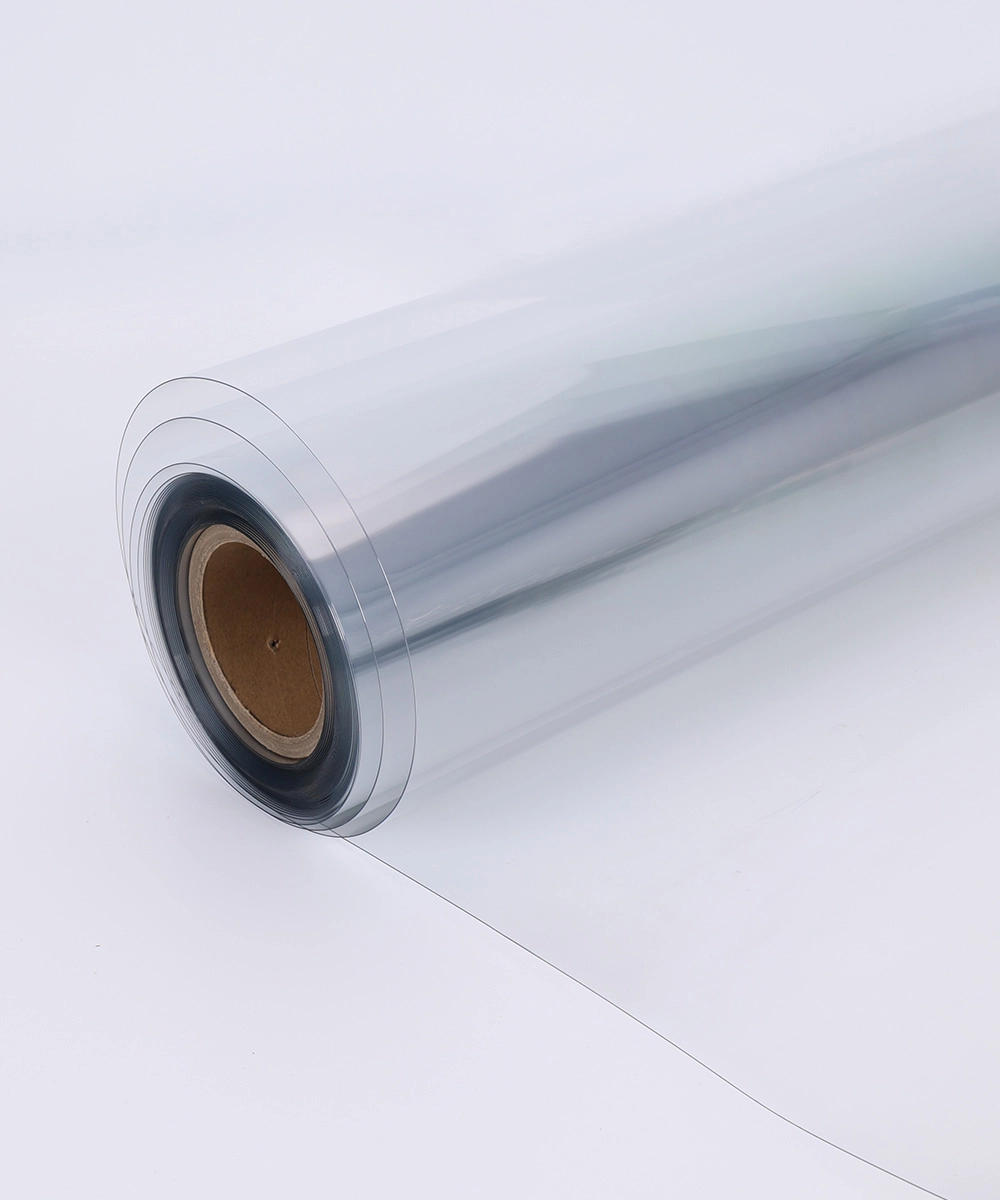
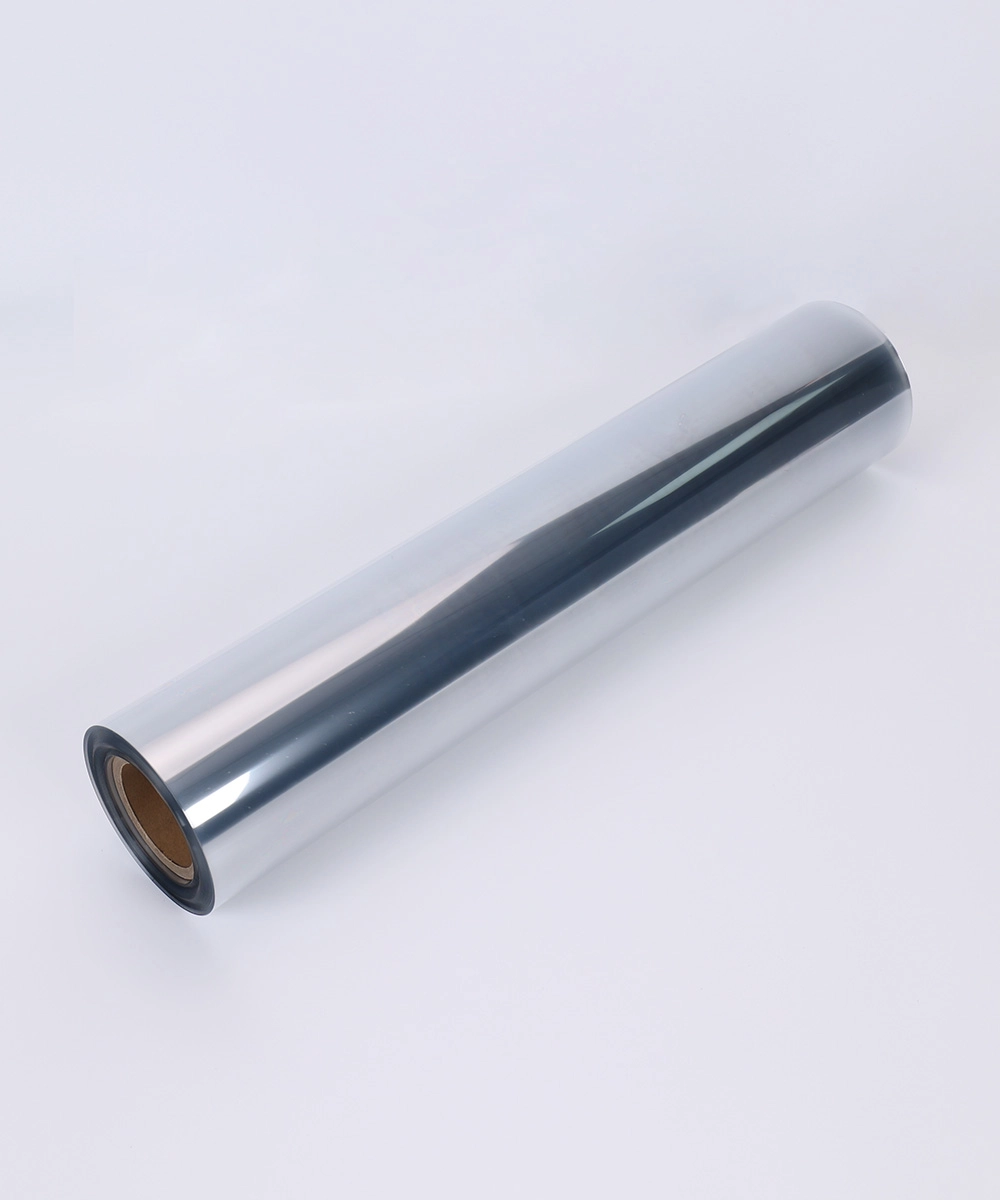
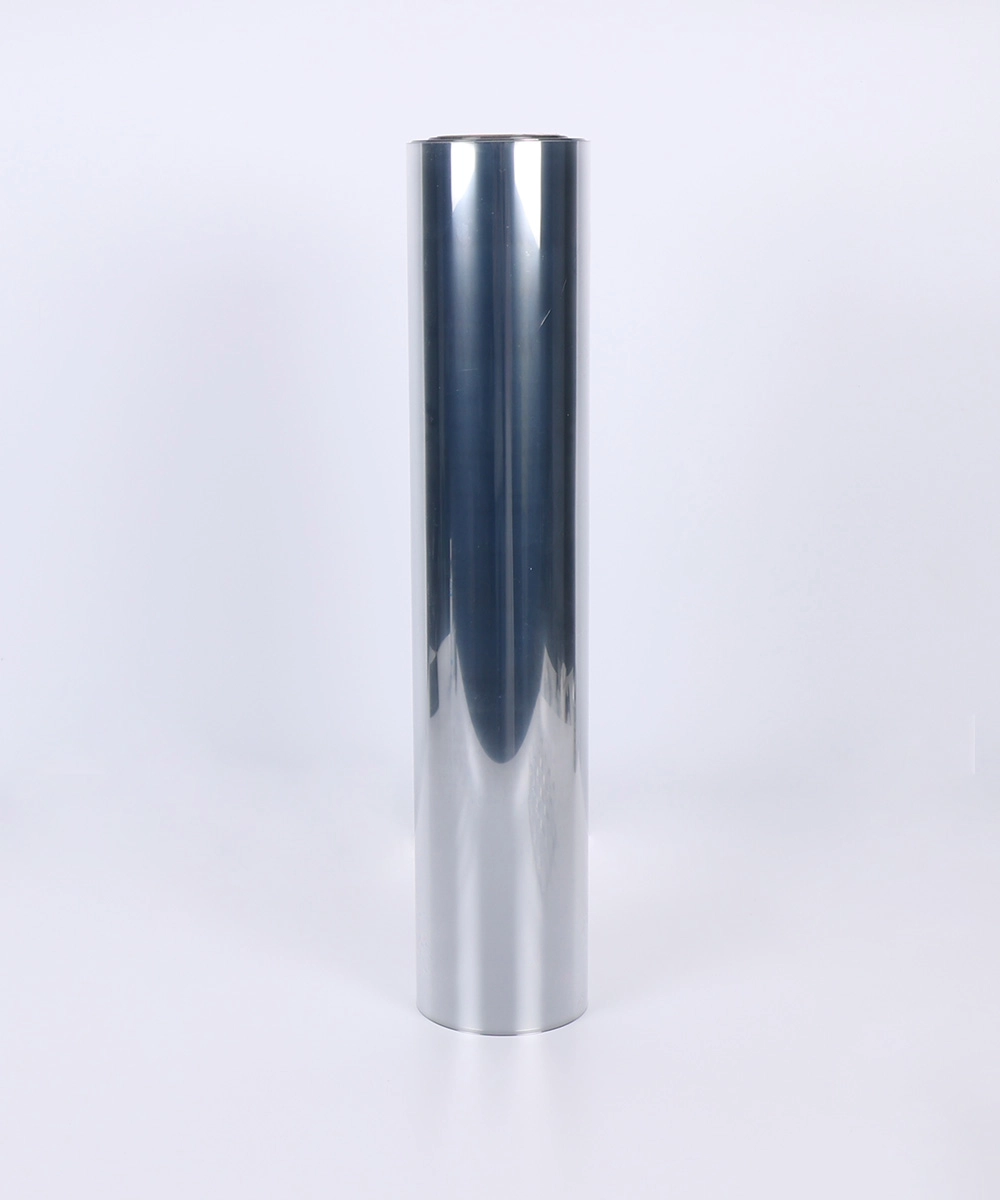
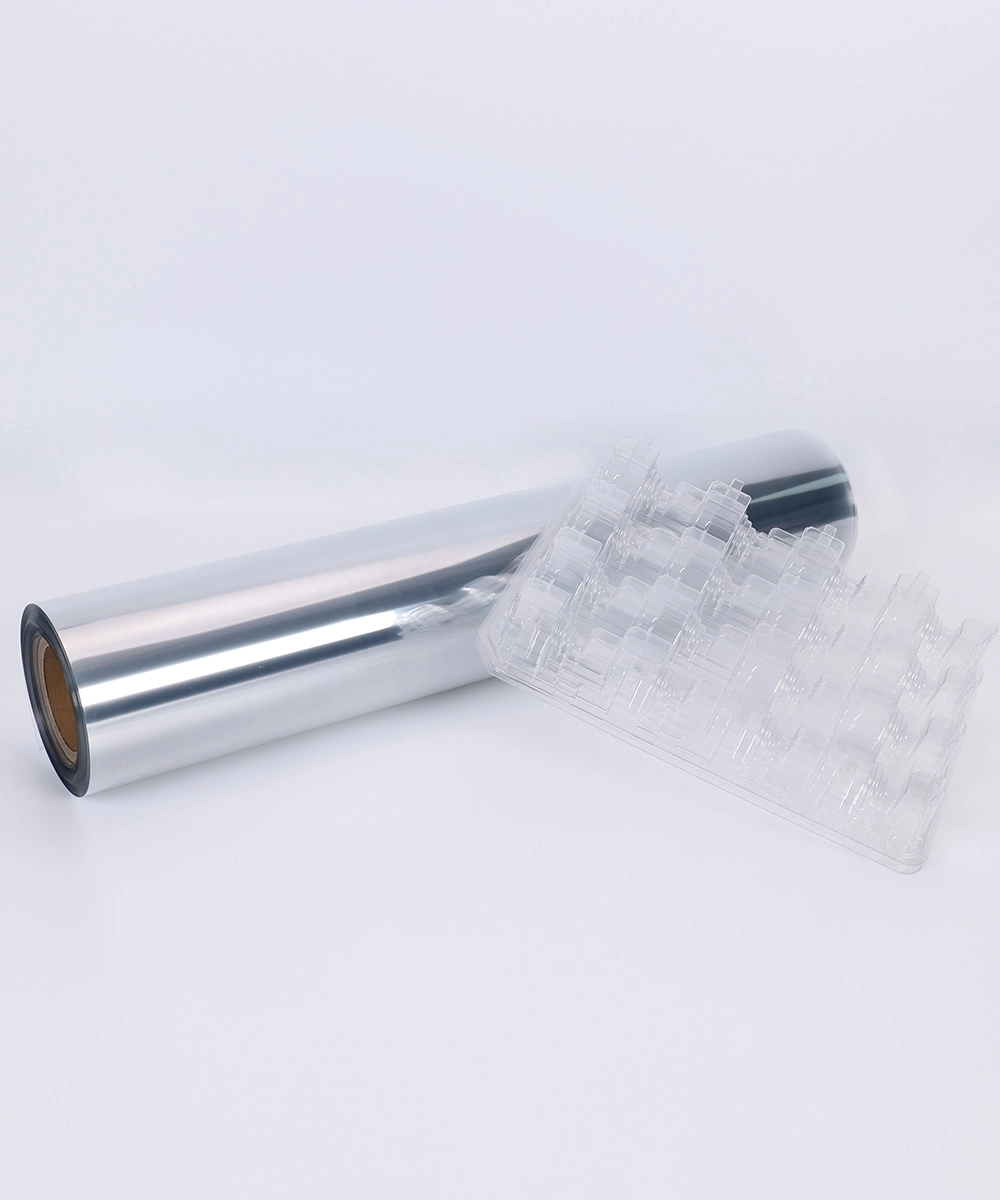
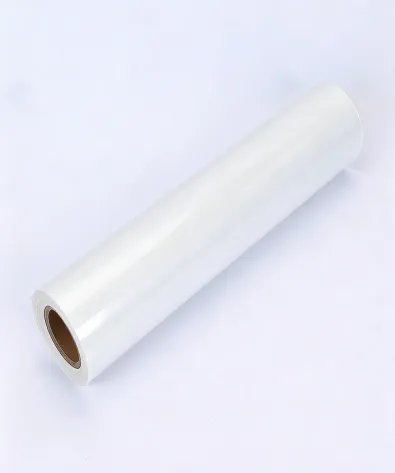
UV-resistant sheets have been tested by relevant national authorities and meet UV-resistance requirements. The vast majority of such products are used in the cosmetics industry.
|
Item |
Conductive |
Antistatic |
Normal |
|
Density(±0.02) |
1.35g/cm3 |
1.35g/cm3 |
1.35g/cm3 |
|
Thickness(±0.015) |
0.2mm-1.3mm |
0.2mm-1.3mm |
0.2mm-1.3mm |
|
S.R.(Ω) |
104-8 |
109-11 |
≧1012 |
|
Width Range (±1.0mm) |
300mm-1000mm |
300mm-1000mm |
300mm-1000mm |
|
Max. Weight(±0.5KG) |
550KG |
550KG |
550KG |
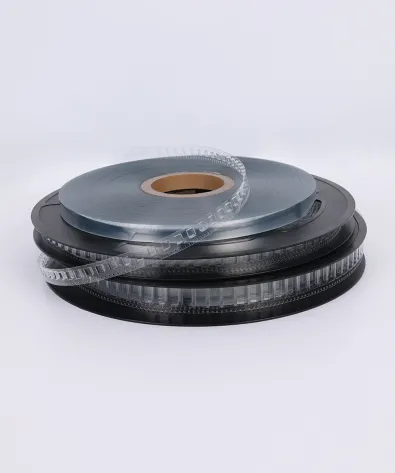
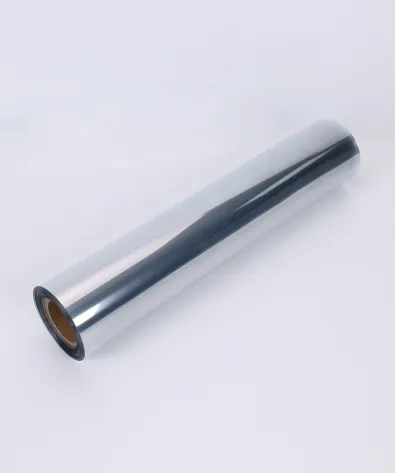
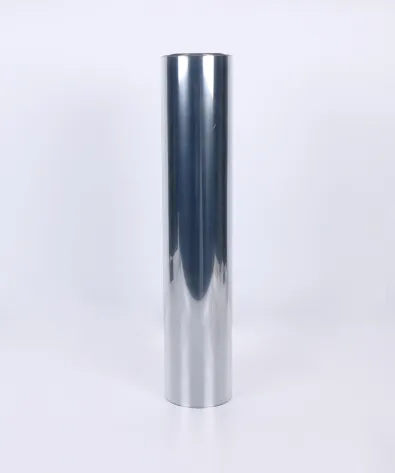
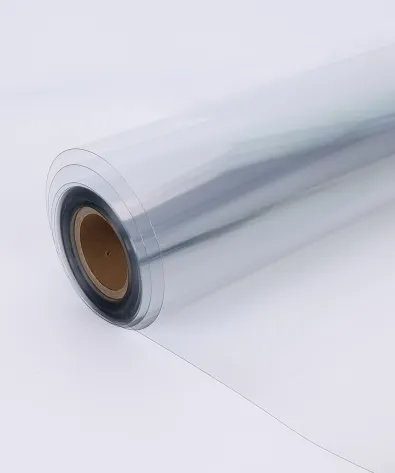
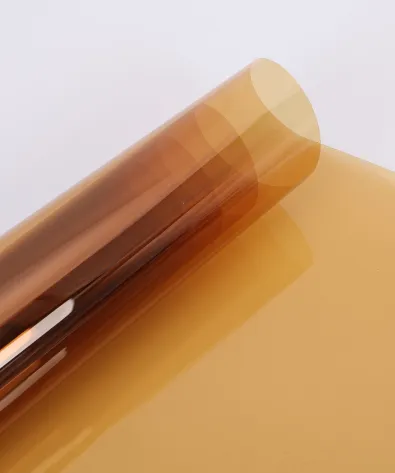
UV-Resistant APET (Amorphous Polyethylene Terephthalate) Plastic Sheet is a specialty thermoforming material engineered to withstand the degrading effects of ultraviolet radiation over prolonged exposure periods. Unlike standard clear APET, this variant incorporates UV-stabilizing additives or UV-absorbing agents during the extrusion process, enabling the sheet to block, absorb, or scatter harmful UV wavelengths — particularly in the UVA (315–400 nm) and UVB (280–315 nm) ranges — before they can cause photodegradation of either the sheet itself or the contents it protects.
As part of the broader APET Plastic product family offered by Haining Hongkai Technology, this sheet is produced using two advanced extrusion production lines capable of a monthly output of 700 tons, ensuring consistent quality and reliable supply for industrial-scale customers worldwide.
To fully appreciate the value of UV-resistant APET, it helps to understand how ultraviolet light affects polymer materials.
APET, by its molecular structure (a semi-aromatic polyester), absorbs UV light more readily than purely aliphatic polymers such as polyethylene or polypropylene. The ester linkages and aromatic benzene rings in PET's repeating unit (–OC–C₆H₄–CO–O–CH₂CH₂–O–) are particularly susceptible to Norrish Type I and Norrish Type II photodegradation reactions. This makes UV stabilization especially important for PET-based sheets used in outdoor or high-light-exposure applications.
The UV-resistant grade produced at Haining Hongkai's factory in Jianshan New District, Haining City, has been tested by relevant national authorities and confirmed to meet UV-resistance requirements per the product's verified certification profile.
| Property | Standard APET | UV-Resistant APET |
| Light Transmittance | >88% | 75–88% (grade-dependent) |
| Haze | <2% | <3% |
| UV Block Rate (UVA/UVB) | Low | High (80–99%+, additive-level dependent) |
| Yellowing Index (after aging) | Increases significantly | Remains stable |
| Gloss Level | High | High |
UV-resistant APET maintains excellent optical clarity for the visible spectrum while selectively filtering ultraviolet wavelengths. This makes it ideal for display windows, blister packaging, and cosmetic containers where both aesthetics and UV protection are essential.
Despite the incorporation of UV stabilizers, the mechanical performance of UV-resistant APET remains in line with standard APET Plastic Sheets:
These mechanical properties make UV-resistant APET a structurally sound choice for thermoformed parts that must retain shape integrity under mechanical stress during handling, shipping, and retail display.
| Property | Value |
| Glass Transition Temperature (Tg) | ~75–80°C |
| Thermoforming Temperature | ~120–160°C |
| Maximum Continuous Use Temperature | ~60–70°C |
| Heat Distortion Temperature (HDT) | ~65°C (at 0.45 MPa) |
It is important to note that APET is an amorphous-phase material and is not heat-crystallized like C-PET Plastic Sheet. APET does not offer high-heat oven resistance. For applications requiring dual ovenable packaging or higher service temperatures, C-PET or other crystalline variants are recommended. Similarly, for broad temperature tolerance in both extremes, the High-Temperature & Low-Temperature Resistant PET Sheet range may be more appropriate.
UV-Resistant APET exhibits good resistance to a wide range of chemicals commonly encountered in cosmetics, pharmaceutical, and food-contact packaging environments:
The UV-Resistant APET Sheet from Haining Hongkai Technology is available in three electrostatic variants: Conductive, Antistatic, and Normal — each suited to different sensitivity levels of the products being packaged or handled.
| Parameter | Conductive | Antistatic | Normal |
| Density (±0.02) | 1.35 g/cm³ | 1.35 g/cm³ | 1.35 g/cm³ |
| Thickness (±0.015) | 0.2 mm – 1.3 mm | 0.2 mm – 1.3 mm | 0.2 mm – 1.3 mm |
| Surface Resistivity (S.R.) | 10⁴ – 10⁸ Ω | 10⁹ – 10¹¹ Ω | ≥10¹² Ω |
| Width Range (±1.0 mm) | 300 mm – 1,000 mm | 300 mm – 1,000 mm | 300 mm – 1,000 mm |
| Max. Roll Weight (±0.5 KG) | 550 KG | 550 KG | 550 KG |
This electrostatic flexibility makes the UV-Resistant APET Sheet uniquely versatile across a spectrum of industries — from cosmetics and food to electronics and medical devices. When combined with UV resistance, the antistatic and conductive grades ensure that sensitive contents are protected from both light degradation and static-induced damage simultaneously.
UV radiation passing through packaging can degrade the contents in several critical ways:
This is precisely why the vast majority of UV-Resistant APET Sheet applications are concentrated in the cosmetics industry, as confirmed by Haining Hongkai Technology's product documentation.
The cosmetics industry represents the dominant market for UV-Resistant APET Sheet.
The combination of outstanding optical clarity, UV filtration, and excellent thermoformability makes UV-Resistant APET the preferred choice for cosmetic brands that demand both product integrity and high visual appeal.
When combined with the conductive or antistatic grade, UV-Resistant APET provides dual protection — static dissipation and UV shielding — relevant for:
Haining Hongkai Technology Co., Ltd. was established in 2018 and is located in Jianshan New District, Haining City, in the Yangtze River Delta Economic Zone — one of China's most industrially developed regions, with proximity to Shanghai and Hangzhou airports and seaports for seamless global logistics.
Haining Hongkai Technology's quality management and environmental management systems hold:
The UV-Resistant APET Sheet has been tested by relevant national Chinese regulatory authorities and confirmed to meet UV-resistance performance requirements. These certifications are backed by more than 20 years of industry experience in R&D and sales, predating the company's formal 2018 establishment through the broader team's accumulated expertise.
One of the hallmarks of precision extrusion is tight gauge tolerance. The UV-Resistant APET Sheet is produced to a thickness tolerance of ±0.015 mm — critical for downstream thermoforming operations where cavity depth consistency and material draw ratios must be precisely controlled.
Width tolerance is held to ±1.0 mm across the 300 mm – 1,000 mm range, ensuring compatibility with standard thermoforming line widths.
UV-Resistant APET Sheet is designed for compatibility with standard thermoforming equipment. The following parameters serve as a technical starting point — actual process settings should be optimized for specific equipment and mold configurations.
| Zone | Temperature Guidance |
| Infrared Heater (top) | 280–320°C (heater surface) |
| Infrared Heater (bottom) | 260–300°C (heater surface) |
| Sheet Surface Temperature | 120–145°C (target for forming) |
| Mold Temperature | 15–30°C (chilled mold preferred) |
Steel-rule die cutting, punch pressing, or routing are all suitable.
APET's high clarity means any scratching during trimming must be minimized.
Sharp tooling is essential to prevent edge cracking.
Haining Hongkai Technology offers a comprehensive range of functional PET sheets. Understanding where UV-Resistant APET fits in this range helps buyers make the right material selection.
| Feature | UV-Resistant APET | APET Anti-fog Sheet | R-PET Plastic Sheet | BIO-PET Plastic Sheet | C-PET Plastic Sheet |
| UV Filtration | Excellent | Standard | Standard | Standard | Standard |
| Anti-condensation | Standard | Excellent | Standard | Standard | Standard |
| Recycled Content | No | No | Yes | Partial (bio-based) | No |
| Heat Resistance | Moderate | Moderate | Moderate | Moderate | High |
| Optical Clarity | High | High | High | High | Moderate |
| Primary Market | Cosmetics, pharma | Food, produce | Sustainability apps | Eco-packaging | Oven/dual-ovenable |
For projects requiring both UV protection and color variety, the UV-resistant formulation can also be applied to APET Colored Sheets — enabling pigmented packaging that still shields contents from photodegradation.
APET carries resin identification code #1 (PET) — the most widely recycled plastic resin globally.
Buyers committed to circular economy goals can complement UV-Resistant APET in their packaging portfolio with R-PET Plastic Sheets — a recycled-content PET sheet also available from Haining Hongkai Technology — or the BIO-PET Plastic Sheet, which incorporates bio-based PET feedstocks to reduce reliance on fossil-fuel-derived raw materials.
By extending the shelf life and protecting the quality of packaged goods, UV-Resistant APET indirectly contributes to sustainability by:
| Parameter | Range |
| Thickness | 0.2 mm – 1.3 mm |
| Width | 300 mm – 1,000 mm |
| Roll Weight | Up to 550 KG per roll |
| Surface Finish | Gloss, Matte (on request) |
| Electrostatic Grade | Normal / Antistatic / Conductive |
| Color | Clear (standard); custom tints available on request |
The effective blocking range depends on the UV additive system selected, but most grades target the full UVA (315–400 nm) and UVB (280–315 nm) ranges. Some enhanced formulations extend coverage to 400–420 nm for near-UV visible light filtering as well. Specific transmission curves can be provided upon request.
At standard additive loadings, the impact on visible-light transmittance is minimal. The sheet remains highly transparent and glossy, suitable for applications where product visibility through the packaging is important.
The base APET resin is widely recognized for food-contact suitability. However, food-contact compliance for UV-stabilized grades depends on the specific additives used. Buyers should request a food-contact compliance declaration or migration test report for their target market's regulatory framework (e.g., EU Regulation 10/2011, FDA 21 CFR, GB standards in China).
Yes. Standard flexographic, gravure, offset, and UV inkjet printing processes are compatible with APET surfaces. For best ink adhesion, corona treatment prior to printing is recommended, particularly for water-based inks.
APET offers significant advantages over UV-resistant PVC: it is free from chlorine and plasticizers (phthalates), fully recyclable as #1 PET, and produces no toxic dioxins if incinerated. Major cosmetics brands increasingly require PVC-free packaging, making UV-Resistant APET a future-proof alternative.
Please contact Haining Hongkai Technology directly via the Contact page or email carolzhang@hnhktech.com for MOQ, pricing, and lead time information. The company welcomes both domestic and international inquiries.
Share Your Contact Information For Personalized Service.