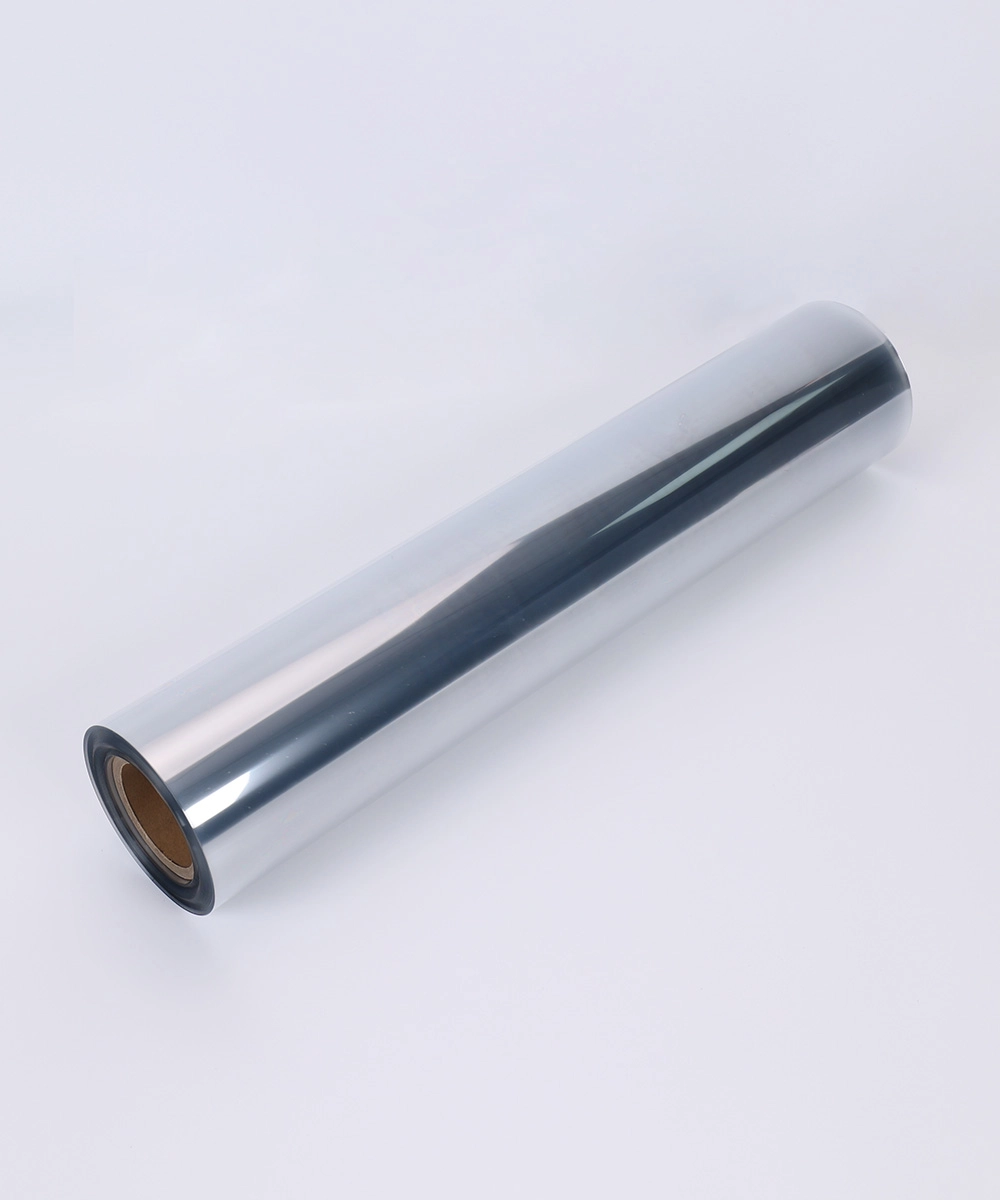
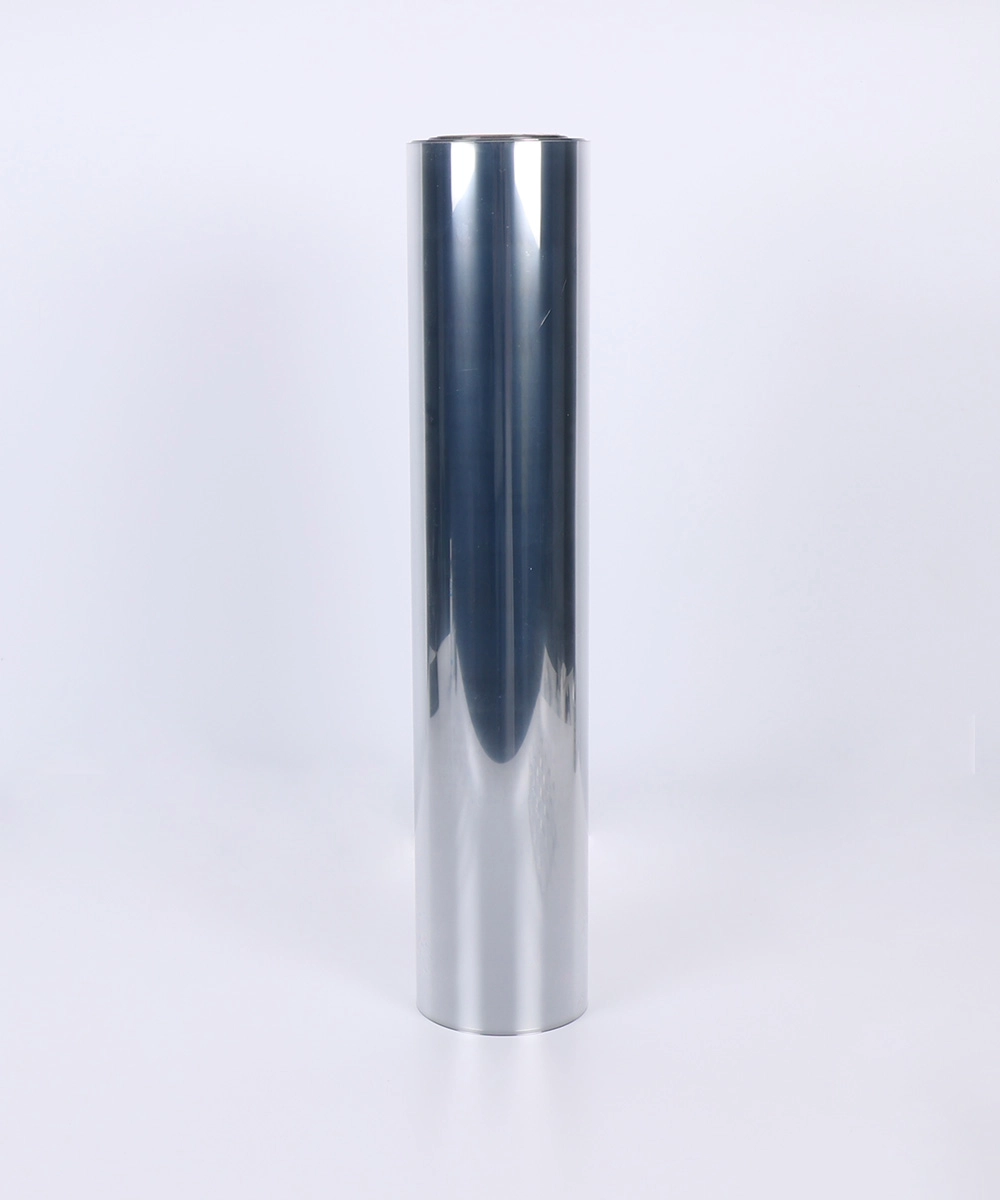
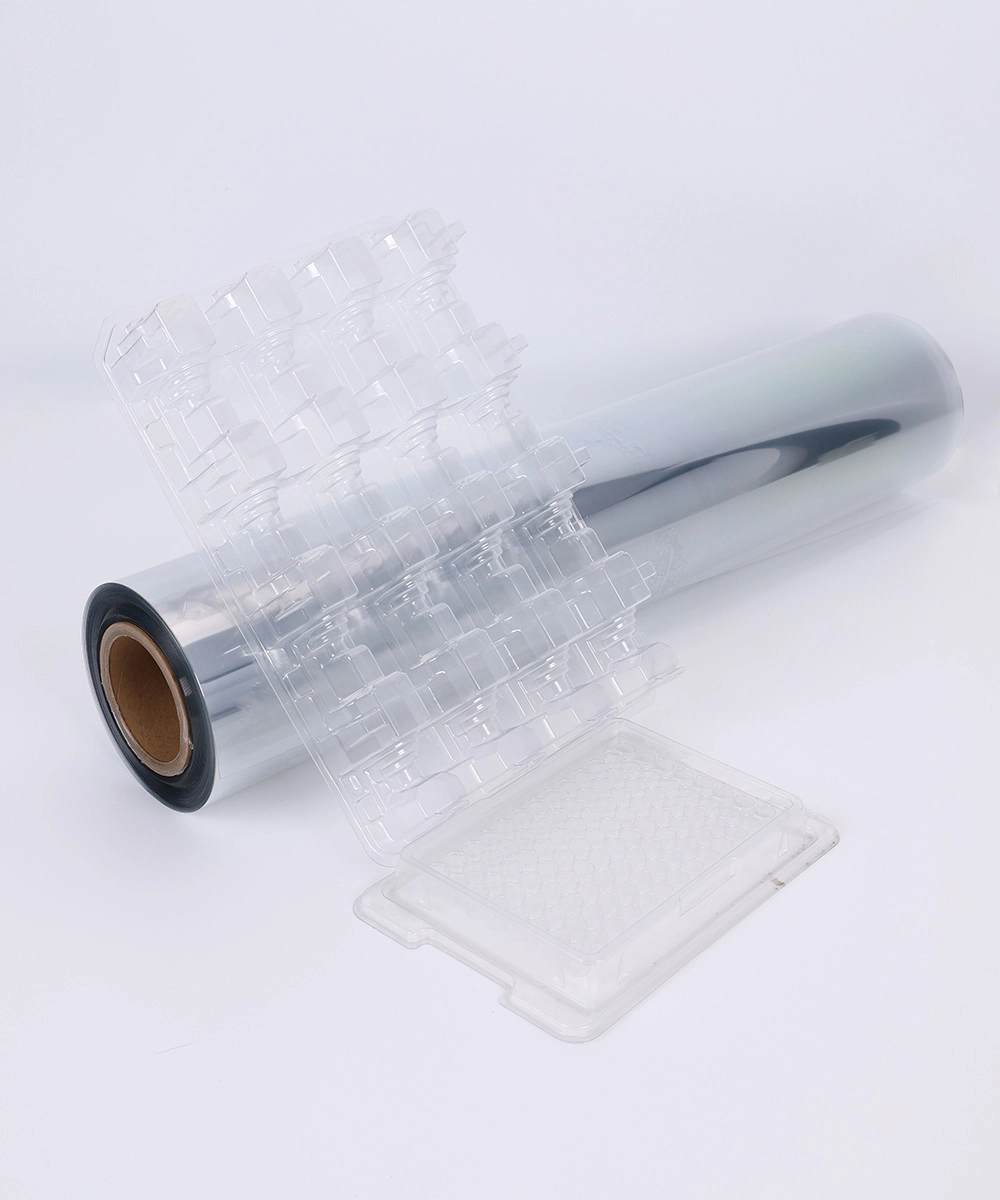
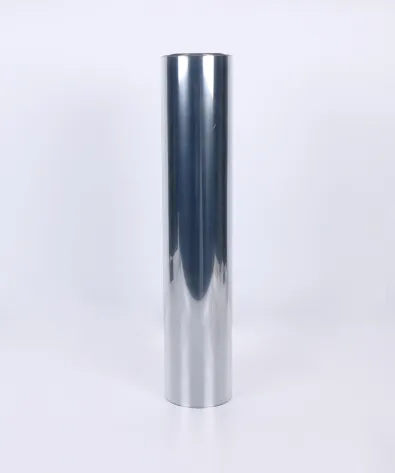
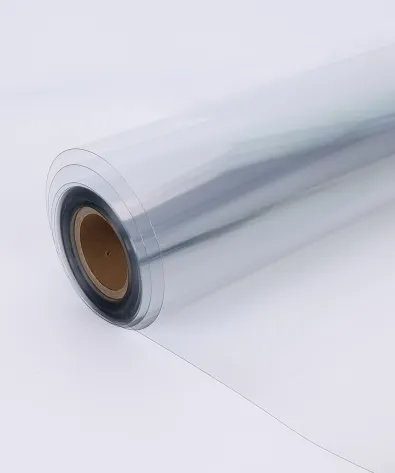
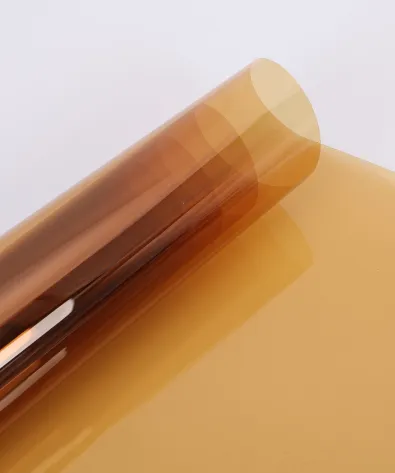
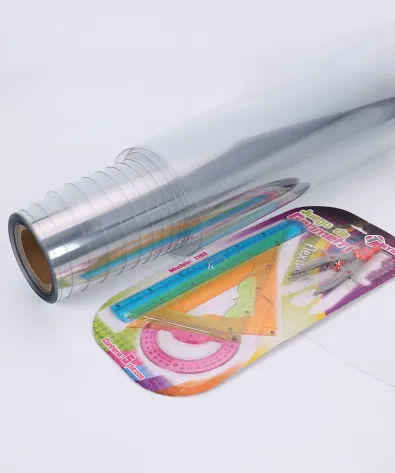
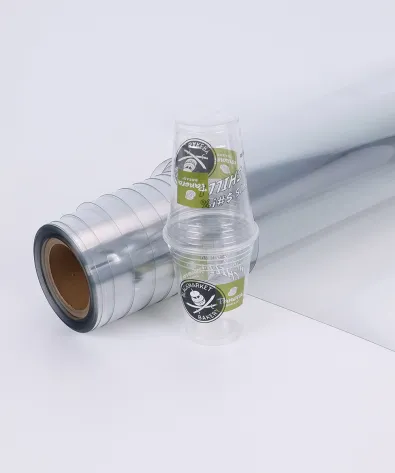
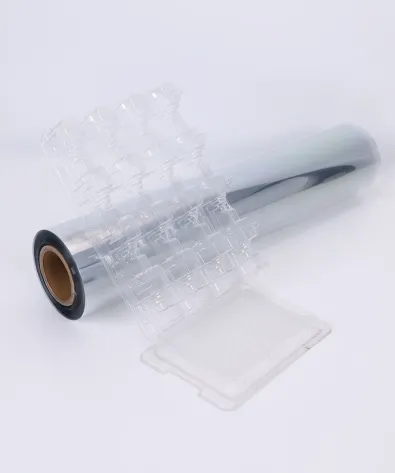
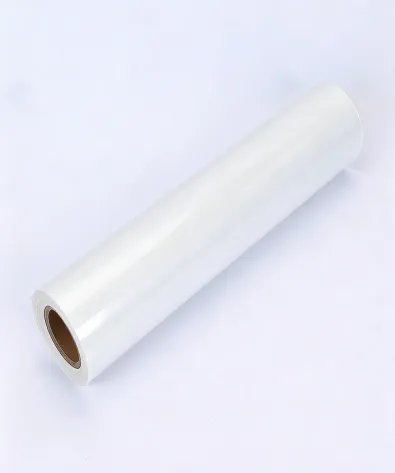
High-strength APET (amorphous polyethylene terephthalate) plastic sheets represent an advanced evolution in thermoplastic material technology, engineered to meet the demanding requirements of modern manufacturing and packaging industries. Manufactured by Haining Hongkai Technology Co., Ltd., these sheets combine exceptional durability with versatile application potential, making them an ideal choice for enterprises seeking reliable, cost-effective plastic solutions.
APET plastic sheets are engineered from polyethylene terephthalate resins processed through specialized thermoforming techniques that enhance their structural integrity and performance characteristics. The high-strength variant specifically targets applications requiring superior impact resistance, dimensional stability, and mechanical robustness across diverse environmental conditions.
Material Composition and Manufacturing Excellence
The foundation of high-strength APET plastic sheets lies in their composition and manufacturing precision. APET is a thermoplastic polyester that exists in an amorphous state, distinct from its crystalline counterpart C-PET plastic sheets, which offer different thermal and mechanical properties suitable for alternative applications. This fundamental difference in molecular structure allows APET sheets to deliver consistent transparency, excellent optical clarity, and superior impact absorption—qualities that make them exceptionally valuable across multiple industrial sectors.
Haining Hongkai Technology Co., Ltd. employs advanced polymer processing technology to transform raw APET resin into finished sheets with precise dimensional tolerances and uniform material properties. The manufacturing process ensures consistent density throughout each sheet, with typical density specifications of 1.35 g/cm³ (±0.02), guaranteeing predictable performance in thermoforming and fabrication operations.
Technical Specifications and Performance Parameters
High-strength APET plastic sheets are available in configurations designed to address specific application requirements:
Standard Product Specifications:
| Specification |
Value |
Unit |
| Density |
1.35 ± 0.02 |
g/cm³ |
| Thickness Range |
0.2 - 1.3 |
mm |
| Thickness Tolerance |
±0.015 |
mm |
| Width Range |
300 - 1000 |
mm |
| Width Tolerance |
±1.0 |
mm |
| Maximum Roll Weight |
550 |
kg |
Functional Variant Specifications:
Beyond standard sheets, Haining Hongkai Technology produces specialized functional variants engineered for electrically demanding applications:
| Property |
Conductive Variant |
Antistatic Variant |
Normal Variant |
| Surface Resistance (Ω) |
10⁴-10⁸ |
10⁹-10¹¹ |
≥10¹² |
| Density (g/cm³) |
1.35 ± 0.02 |
1.35 ± 0.02 |
1.35 ± 0.02 |
| Thickness Range (mm) |
0.2 - 1.3 |
0.2 - 1.3 |
0.2 - 1.3 |
| Width Range (mm) |
300 - 1000 |
300 - 1000 |
300 - 1000 |
| Maximum Weight (kg) |
550 ± 0.5 |
550 ± 0.5 |
550 ± 0.5 |
Key Physical Properties and Advantages
- Optical Clarity and Transparency: High-strength APET plastic sheets maintain exceptional optical transparency, enabling clear visibility of packaged contents without degradation. This property proves invaluable for food packaging applications, cosmetics containers, and retail packaging where visual product presentation directly influences consumer purchasing decisions.
- Impact Resistance: The high-strength formulation delivers superior impact absorption capabilities, protecting packaged products from mechanical damage during transport, handling, and distribution. This characteristic significantly reduces product loss and waste while maintaining package integrity under challenging logistics conditions.
- Mechanical Strength: These sheets exhibit excellent tensile strength and flexural modulus, enabling them to withstand thermoforming pressures and post-processing operations without tearing, warping, or dimensional changes. The material maintains structural integrity across a broad temperature range, supporting both ambient and slightly elevated processing conditions.
- Chemical Resistance: APET sheets demonstrate commendable resistance to chemical exposure, moisture, and environmental degradation. This property extends shelf life for packaged products and ensures long-term stability of finished goods, particularly important for food items, pharmaceuticals, and chemically sensitive products.
- Dimensional Stability: Precise dimensional tolerances (±0.015 mm for thickness, ±1.0 mm for width) ensure consistent sheet dimensions across production batches, enabling seamless integration into automated thermoforming and cutting equipment. This consistency reduces setup time and material waste while improving overall manufacturing efficiency.
Applications and Industry Solutions
High-strength APET plastic sheets serve diverse industrial applications across multiple sectors:
- Food Packaging Solutions: The food industry represents a primary application sector for APET sheets. Their excellent transparency allows consumers to inspect packaged contents, while superior barrier properties and chemical resistance preserve food quality and safety. Applications include containers for prepared meals, bakery products, fresh produce, and deli items. The material's food-contact compliance and non-toxic characteristics meet regulatory requirements in major markets worldwide.
- Cosmetics and Personal Care Packaging: Cosmetics manufacturers leverage APET sheet properties for premium packaging solutions that showcase product colors and formulations. The material's clarity and printability support brand differentiation, while its durability protects expensive products during retail and consumer handling.
- Stationery and Office Products: The thermoforming capability and clarity of APET sheets make them suitable for protective cases, document folders, binders, and point-of-purchase display packaging. The impact-resistant properties protect valuable documents and office items from damage.
- Thermoformed Tool Packaging: Industrial manufacturers utilize APET sheets for professional tool packaging, equipment cases, and mechanical component carriers. The high-strength characteristics ensure adequate protection for valuable equipment while maintaining cost-effectiveness across production volumes.
- Medical and Pharmaceutical Applications: APET sheets serve pharmaceutical packaging, medical device trays, and diagnostic kit housings where clarity, chemical resistance, and sterile compatibility are essential. The material's stability and non-reactive properties support stringent pharmaceutical packaging standards.
Specialized Functional Variants
- Conductive APET Sheets: Engineered for electronics packaging and sensitive component protection, conductive variants incorporate additives that provide surface resistance in the 10⁴-10⁸ Ω range. These sheets dissipate static electricity, protecting sensitive electronic components, circuit boards, and semiconductor devices from electrostatic discharge (ESD) damage. Applications include printed circuit board trays, component carriers, and protective packaging for electronics manufacturing and distribution.
- Antistatic APET Sheets: With surface resistance specifications between 10⁹-10¹¹ Ω, antistatic variants provide intermediate static control suitable for applications requiring moderate ESD protection. These sheets balance electrical conductivity with electrical insulation properties, ideal for general electronic component packaging and assembly environment applications.
- Normal APET Sheets: Standard formulations maintain electrical insulation properties (≥10¹² Ω) suitable for conventional packaging applications without specialized electrostatic requirements. This variant addresses the broadest range of general-purpose applications, offering optimal cost-performance value.
Transparency and Optical Properties
The exceptional optical clarity of high-strength APET plastic sheets results from the amorphous structure of the polymer, which permits light transmission without significant scattering.
Unlike opaque alternatives, these sheets provide crystal-clear visibility of packaged contents, enabling:
- Visual product authentication and brand verification
- Quality inspection without package opening
- Enhanced shelf appeal in retail environments
- Clear labeling and branding applications
- See-through protective casings and displays
The material's transparency remains consistent across the entire thickness range (0.2-1.3 mm), ensuring uniform optical properties regardless of sheet gauge selection.
Thermoforming Capability and Processing
High-strength APET sheets exhibit excellent thermoforming characteristics, enabling manufacturers to create complex three-dimensional shapes through heat and pressure application.
Key processing advantages include:
- Heat Resistance: The material maintains dimensional stability during thermoforming operations conducted at moderate temperatures, without requiring excessive heating that could degrade polymer properties or increase processing costs.
- Pressure Distribution: Uniform material composition enables consistent pressure response during forming operations, reducing process variations and improving final product quality across entire production batches.
- Surface Finish: APET sheets maintain smooth surface finishes suitable for post-processing operations including printing, labeling, coating, and adhesive bonding. Surface treatment compatibility supports value-added customization opportunities.
- Dimensional Precision: The precise thickness and width tolerances ensure that thermoformed products maintain consistent wall thickness, preventing weak points or structural defects that could compromise package performance.
Environmental and Sustainability Considerations
APET plastic sheets represent an eco-friendly alternative in the thermoforming material spectrum. The material's recyclability, durability, and efficient production processes support sustainable manufacturing practices. Haining Hongkai Technology emphasizes environmental responsibility in material sourcing and manufacturing operations.
While standard APET sheets address many applications, organizations seeking enhanced environmental performance may explore related products such as R-PET plastic sheets (recycled content formulations) and BIO-PET plastic sheets (biologically-sourced alternatives), which leverage the company's comprehensive expertise in PET-based materials.
Customization and Specialized Variants
Haining Hongkai Technology's product portfolio extends beyond standard high-strength APET sheets to encompass specialized variants addressing specific industry requirements:
- APET Colored Sheets: Custom color formulations support brand differentiation and application-specific aesthetic requirements, enabling manufacturers to integrate packaging materials directly into their visual identity strategies.
- APET Anti-fog Sheets: Specialized anti-fog formulations prevent condensation accumulation on sheet surfaces, maintaining visibility for refrigerated food packaging and moisture-prone environments without requiring external treatments.
- UV-Resistant APET Sheets: Enhanced UV stability protects packaged products from light-induced degradation, essential for extended shelf-life applications, outdoor equipment, and UV-sensitive product categories.
- APET Carrier Tape Sheets: Precision-engineered for electronics component storage and distribution, carrier tape sheets provide organized component spacing and protection with integrated feed features.
- High-Temperature & Low-Temperature Resistant PET Sheets: For applications requiring expanded temperature tolerance beyond standard APET capabilities, these specialized formulations maintain mechanical properties across extended thermal ranges.
- C-PET Plastic Sheets: For applications requiring crystalline PET properties (enhanced rigidity and higher service temperatures), C-PET alternatives provide complementary solutions to amorphous APET formulations.
Comparative Material Analysis
Understanding APET positioning within the broader plastics landscape helps manufacturers select optimal materials for specific applications:
- APET vs. C-PET: Amorphous APET delivers superior transparency and lower processing temperatures but exhibits lower rigidity than crystalline C-PET. C-PET is preferred for applications requiring higher service temperatures and greater structural rigidity.
- APET vs. HIPS Plastic: APET provides superior clarity and chemical resistance compared to HIPS (high-impact polystyrene), though HIPS offers lower material costs for applications where transparency is less critical.
- APET vs. ABS Plastic: APET excels in optical clarity and food-contact applications, while ABS plastics offer superior chemical resistance to certain solvents and greater rigidity, making ABS preferable for mechanical applications and visible structural components.
Quality Assurance and Testing Standards
High-strength APET plastic sheets undergo rigorous quality control procedures ensuring consistent performance and compliance with international standards.
Manufacturing processes incorporate:
- Density verification (±0.02 g/cm³ tolerance)
- Thickness measurement and tolerance verification (±0.015 mm)
- Width calibration and dimension verification (±1.0 mm)
- Optical clarity assessment and transparency grading
- Impact resistance testing and mechanical property evaluation
- Surface resistance verification for conductive and antistatic variants
- Visual inspection for defects, inclusions, and surface irregularities
- Roll weight verification and packaging integrity checks
Company Background: Haining Hongkai Technology Co., Ltd.
Haining Hongkai Technology Co., Ltd. represents a specialized manufacturer of advanced thermoplastic materials, with particular expertise in PET-based sheet production. The company's portfolio encompasses comprehensive APET solutions addressing diverse industrial requirements.
- Organizational Expertise: The company maintains dedicated facilities for APET plastic sheet manufacturing, incorporating state-of-the-art polymer processing equipment and quality control systems. Specialized technical expertise ensures consistent product quality and reliable customer support.
- Product Development: Continuous innovation in functional variants—including conductive, antistatic, anti-fog, and UV-resistant formulations—demonstrates the company's commitment to addressing emerging market requirements and enabling customer success across evolving application landscapes.
- Customer Support: Dedicated sales and technical support teams provide consultation regarding material selection, processing parameters, and application optimization. Contact information: carolzhang@hnhktech.com, with telephone support available at +86-150-5857-3741 and +86-136-0679-8873.
Industry Certifications and Compliance
High-strength APET plastic sheets meet regulatory requirements across major global markets:
- Food packaging compliance and food-contact authorization
- RoHS (Restriction of Hazardous Substances) compliance for electronics applications
- Suitable for products marketed across North America, Europe, and Asia-Pacific regions
- Manufacturing processes emphasize material safety and environmental responsibility
Cost-Performance Value Proposition
High-strength APET plastic sheets deliver exceptional value through the combination of:
- Superior material properties (strength, clarity, impact resistance)
- Broad application versatility across multiple industries
- Competitive pricing relative to alternative materials
- Customizable formats and functional variants
- Consistent quality ensuring minimal waste and rework
- Efficient thermoforming characteristics reducing conversion costs
Selection Criteria for APET Sheets
When evaluating high-strength APET plastic sheets for specific applications, manufacturers should consider:
- Thickness Requirements: Application impact forces and structural loading determine optimal thickness selection (0.2-1.3 mm range available). Thinner sheets reduce material costs while thicker variants provide enhanced impact protection.
- Functional Requirements: Determination of electrostatic needs (conductive, antistatic, or standard) guides variant selection, ensuring appropriate surface resistance for sensitive electronics or general applications.
- Width Specifications: Equipment compatibility and product dimensions dictate width selection (300-1000 mm range available). Custom cutting services may accommodate specific dimensional requirements.
- Volume Requirements: Production volumes influence material sourcing efficiency. Haining Hongkai Technology accommodates varying order quantities from prototype development through high-volume production runs.
- Processing Parameters: Thermoforming temperature profiles, pressure settings, and cooling cycles require compatibility with manufacturing equipment specifications and material properties.
Future Applications and Market Trends
Emerging applications for high-strength APET plastic sheets include:
- Advanced flexible packaging supporting sustainable consumer goods distribution
- Protective display packaging for premium products with enhanced visual appeal
- Specialized electronic component packaging addressing miniaturization requirements
- Temperature-controlled logistics packaging supporting pharmaceutical and perishable food distribution
- Custom-colored variants supporting brand differentiation in competitive retail markets
- Enhanced barrier formulations extending product shelf-life and quality preservation
Get In Touch With Us Today!
Share Your Contact Information For Personalized Service.


 +86-150-5857-3741
 carolzhang@hnhktech.com