
 +86-150-5857-3741+86-136-0679-8873
 carolzhang@hnhktech.com
+86-150-5857-3741+86-136-0679-8873carolzhang@hnhktech.com
carolzhang@hnhktech.com
+86-150-5857-3741+86-136-0679-8873carolzhang@hnhktech.com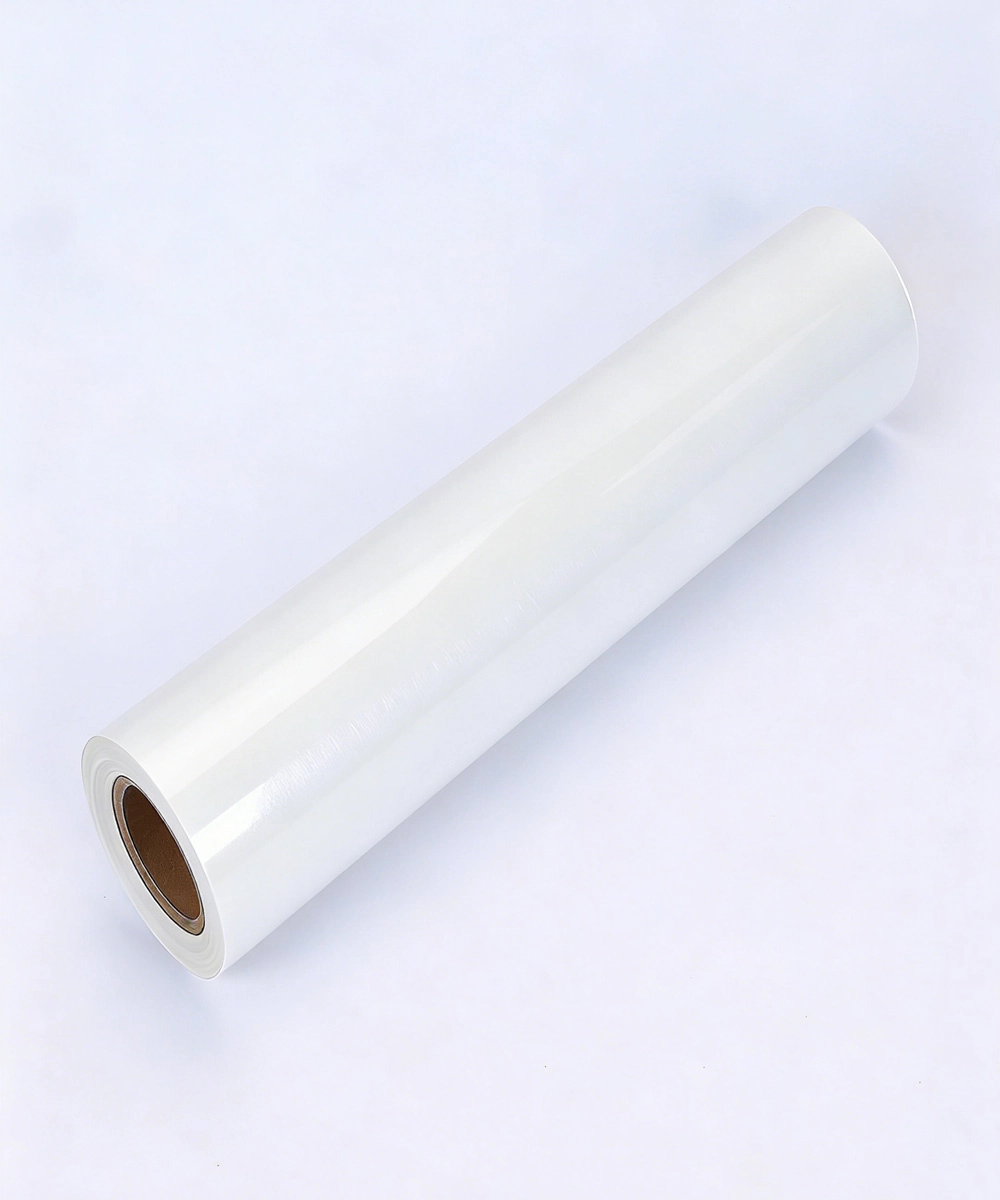
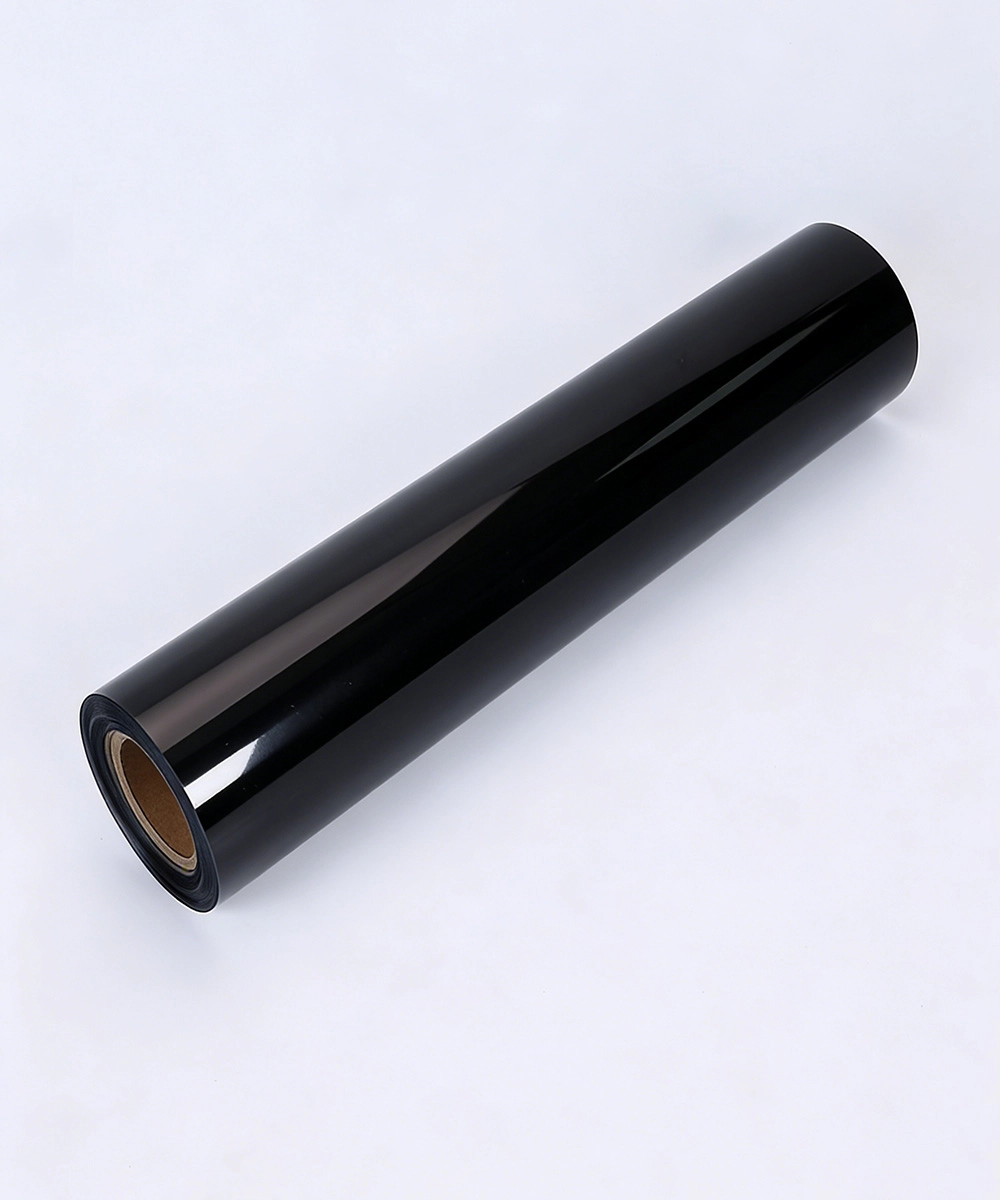
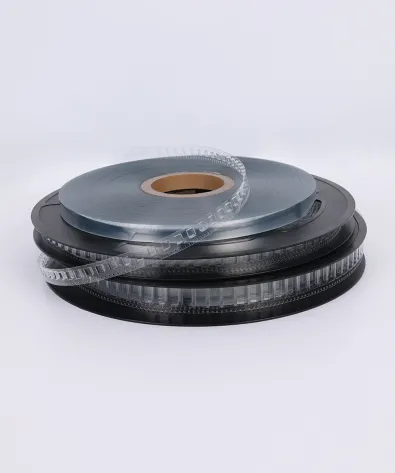
C-PET plastic sheet is an opaque, high-temperature-resistant material commonly available in black and white. It exhibits excellent heat resistance with a broad operating temperature range of -40°C to 200°C, making it an ideal material for manufacturing microwave and oven trays, food containers, and similar applications.
|
Item |
Conductive |
Antistatic |
Normal |
|
Density(±0.02) |
1.35g/cm3 |
1.35g/cm3 |
1.35g/cm3 |
|
Thickness(±0.015) |
0.2mm-1.3mm |
0.2mm-1.3mm |
0.2mm-1.3mm |
|
S.R.(Ω) |
104-8 |
109-11 |
≧1012 |
|
Width Range (±1.0mm) |
300mm-1000mm |
300mm-1000mm |
300mm-1000mm |
|
Max. Weight(±0.5KG) |
550KG |
550KG |
550KG |
C-PET — short for Crystallized Polyethylene Terephthalate — is a semi-crystalline engineering thermoplastic sheet produced from PET resin that has undergone a controlled heat treatment process to induce molecular ordering. The "C" in C-PET stands for crystalline or crystallized, distinguishing it from its amorphous counterpart, APET Plastic.
PET can be made with the polymer chains aligned in two primary ways: amorphous or crystalline. Virtually all the PET packaging most people encounter is amorphous — with one major exception: microwave food trays, which, if made from PET, are made from C-PET.
In a purely amorphous state, PET polymer chains are randomly oriented. However, when PET is heated to a specific temperature range under controlled conditions, segments of the polymer chains begin to align into organized, crystalline regions. The degree of crystallinity affects mechanical, optical, and thermal properties — higher crystallinity imparts improved thermal stability, enhanced rigidity, and reduced transparency.
C-PET plastic sheet is generally opaque, available most commonly in black and white, and exhibits substantially better high-temperature performance than standard PET or APET sheets. It is the material of choice wherever a tray, container, or formed component must survive direct oven or microwave heating.
Before specifying any PET-family sheet, it is important to understand how the main grades relate to one another. The table below summarizes the key distinctions.
| Property | C-PET | APET | PETG |
| Molecular structure | Semi-crystalline | Amorphous | Amorphous co-polyester |
| Optical appearance | Opaque (black/white) | Clear/transparent | Clear/transparent |
| Max. service temp. | Up to 220°C | ~70–80°C | ~65–75°C |
| Min. service temp. | -40°C | ~-20°C | ~-20°C |
| Thermoformability | Good (specialized tooling) | Excellent | Very good |
| Dual-ovenable | Yes | No | No |
| Barrier properties | Superior | Good | Moderate |
| Recycling stream | PET #1 | PET #1 | Separate stream |
| Typical colors | Black, white, custom | Clear, tinted | Clear |
| Primary use | Oven/microwave trays | Blister, clamshell packs | Medical thermoforms |
CPET is the crystallized form of PET with a well-defined molecular arrangement, resulting in a material with higher thermal stability, improved chemical resistance, and better barrier properties compared to APET. CPET requires additional elevated temperatures — typically between 120°C and 240°C — for a specific duration, allowing the polymer chains to reorganize and form a crystalline structure.
Also explore our related High-Temperature & Low-Temperature Resistant PET Sheets for demanding dual-environment applications.
The following product parameters apply to the C-PET Plastic Sheet supplied by Haining Hongkai Technology Co., Ltd.
| Parameter | Conductive Grade | Antistatic Grade | Normal Grade |
| Density (±0.02) | 1.35 g/cm³ | 1.35 g/cm³ | 1.35 g/cm³ |
| Thickness (±0.015) | 0.2 mm – 1.3 mm | 0.2 mm – 1.3 mm | 0.2 mm – 1.3 mm |
| Surface Resistivity (Ω) | 10⁴ – 10⁸ | 10⁹ – 10¹¹ | ≥ 10¹² |
| Width Range (±1.0 mm) | 300 mm – 1,000 mm | 300 mm – 1,000 mm | 300 mm – 1,000 mm |
| Max. Roll Weight (±0.5 kg) | 550 kg | 550 kg | 550 kg |
| Condition | Temperature |
| Maximum continuous service (oven) | Up to 220°C |
| Maximum service duration at peak temp. | 45 minutes |
| Minimum service temperature (frozen) | -40°C |
C-PET meal trays are microwave- and oven-safe, withstanding temperatures up to 220°C and as low as -40°C without deformation, softening, or breaking. They are free from toxic emissions and odors during heating, making them safe for consumers.
C-PET plastic sheet delivers a robust combination of thermal, mechanical, and barrier performance. Below is a detailed breakdown.
The production of C-PET plastic sheet involves a carefully sequenced series of steps designed to build crystallinity into the PET polymer matrix without sacrificing thermoformability.
Colorants, impact modifiers, and other functional additives may be used to enhance the final properties or appearance of CPET. For instance, some CPET food trays have pigments that help with product branding or consumer aesthetics, while also imparting certain protective features like reducing light transmission to preserve food quality.
The use of nucleating agents — compounds that provide crystallization initiation sites — allows producers to accelerate and control the crystallization process, achieving consistent crystallinity across the sheet width and length. This is essential for maintaining uniformity across large production runs.
C-PET plastic sheet is engineered for high-temperature and high-demand use cases across food, pharmaceutical, industrial, and electronics sectors.
CPET is typically produced in black and is used to manufacture sheet and rollstock for thermoformed containers capable of withstanding high-heat applications, including dual-ovenable (up to 400°F / ~204°C for 30 minutes) and microwavable uses.
The conductive grade (10⁴–10⁸ Ω) is suitable for full ESD protection, while the antistatic grade (10⁹–10¹¹ Ω) handles static dissipation.
C-PET plastic sheet is designed for conventional thermoforming equipment, though it requires higher forming temperatures than APET due to its crystalline structure.
| Parameter | Typical Range |
| Sheet pre-heat temperature | 130°C – 160°C |
| Mold temperature | 120°C – 200°C (crystallization occurs in-mold) |
| Crystallization temperature window | 120°C – 240°C |
| Forming method | Vacuum forming, pressure forming, plug-assist |
| Post-form cooling | Controlled to lock-in crystalline structure |
Important note on thermoforming waste: After C-PET film thermoforming, the resulting die-cuts (thermoforming waste) cannot be reused to produce regular PET film on extruders, resulting in some material waste that contributes to production cost considerations. This is a key difference from APET thermoforming, where trim waste is more readily recyclable back into standard PET.
C-PET trays can be sealed with a variety of top films, such as PET, PET/PE, and PE types.
Sustainability is a central consideration in modern packaging specification. C-PET has several important attributes worth understanding.
CPET is chemically similar to standard PET, so in principle it can be recycled. The higher crystallinity and potential presence of additives or coatings can affect reprocessing. Many curbside recycling programs accept CPET trays, especially if they are labeled with resin identification code "#1" for PET.
Unlike PETG, crystallizable PET is compatible with the PET bottle recycling stream and does not adversely affect the quality of rPET
Opaque black C-PET trays present a specific challenge: the US Plastics Pact has listed opaque PET on their list of Problematic & Unnecessary Materials because the pigments used in opaque colored products leave the resulting recycled plastic stained, limiting the materials' use in future products. White C-PET may offer better recyclability outcomes depending on local sorting infrastructure.
For customers targeting recycled content, Haining Hongkai also offers R-PET Plastic Sheets and BIO-PET Plastic Sheets as complementary sustainable product options.
| Material | Max. Temp. | Clarity | Recyclability | Cost Index | Microwave Safe |
| C-PET | 220°C | Opaque | PET #1 stream | Moderate | Yes |
| Polypropylene (PP) | ~120°C | Semi-clear | #5 stream | Low | Yes |
| CPLA (bio-based) | ~110°C | Opaque | Industrial compost | High | Limited |
| Aluminum foil tray | N/A | Opaque | Aluminum stream | Low | No |
| Multi-layer laminate | Varies | Varies | Difficult | High | Varies |
C-PET stands out as the only widely available, commercially proven, PET-based material combining both microwave and conventional oven compatibility within a single-material recyclable structure.
C-PET originated in the 1970s and was originally developed for ready-to-eat food packaging. As demand for high-temperature applications grew, it gradually expanded into pharmaceutical, industrial packaging, and other fields.
Although CPET has been around for a few decades, continuous advancements in polymer processing techniques, packaging demands, and environmental regulations have spurred renewed interest in the material. From a sustainability perspective, CPET is often lauded for its compatibility with existing recycling streams for PET, allowing for a more circular life cycle compared to certain other specialized plastics.
The global ready-meal sector has been the primary driver of C-PET demand growth, as consumers and foodservice operators increasingly require packaging that survives both frozen storage and direct heat cooking without tray change. Airline catering, hospital food systems, and retail convenience food have all contributed to sustained demand.
A: It stands for Crystallized (or Crystalline). It refers to the controlled heat treatment applied during manufacturing that reorganizes PET polymer chains into an ordered, partially crystalline structure, giving the material superior heat resistance compared to amorphous APET.
A: As crystallinity increases, the material becomes more opaque. The semi-crystalline domains scatter light, making fully crystallized C-PET non-transparent. Black and white colorants are added both for aesthetic reasons and to control light transmission, which helps protect food from light-induced quality degradation.
A: Yes. With a service range of -40°C to +220°C, C-PET plastic sheet is engineered for exactly this use case. No intermediate thawing step is required.
A: Yes. C-PET, CPET, and Crystalline PET are interchangeable terms describing the same material category.
A: APET is amorphous PET — clear, excellent for cold food packaging and room-temperature applications, but not suitable for direct oven or microwave heating. C-PET sacrifices optical clarity in exchange for the crystalline structure that delivers high-temperature performance.
A: Sheets with a thickness of 0.50–0.75 mm and widths up to 610 mm demonstrate excellent thermoforming properties, resulting in sturdy and stable trays. For lighter applications or thinner walls, gauges down to 0.2 mm are available. Consult with our technical team for application-specific thickness recommendations.
A: Yes. Haining Hongkai supplies C-PET in three electrical grades: Normal (≥10¹² Ω surface resistivity), Antistatic (10⁹–10¹¹ Ω), and Conductive (10⁴–10⁸ Ω). The latter two are designed for electronics packaging applications requiring ESD protection.
A: Yes. C-PET can be produced in co-extruded structures incorporating EVOH or other barrier polymers when enhanced oxygen or moisture barrier performance is required beyond what a single-layer C-PET sheet provides.
Share Your Contact Information For Personalized Service.