
 +86-150-5857-3741+86-136-0679-8873
 carolzhang@hnhktech.com
+86-150-5857-3741+86-136-0679-8873carolzhang@hnhktech.com
carolzhang@hnhktech.com
+86-150-5857-3741+86-136-0679-8873carolzhang@hnhktech.com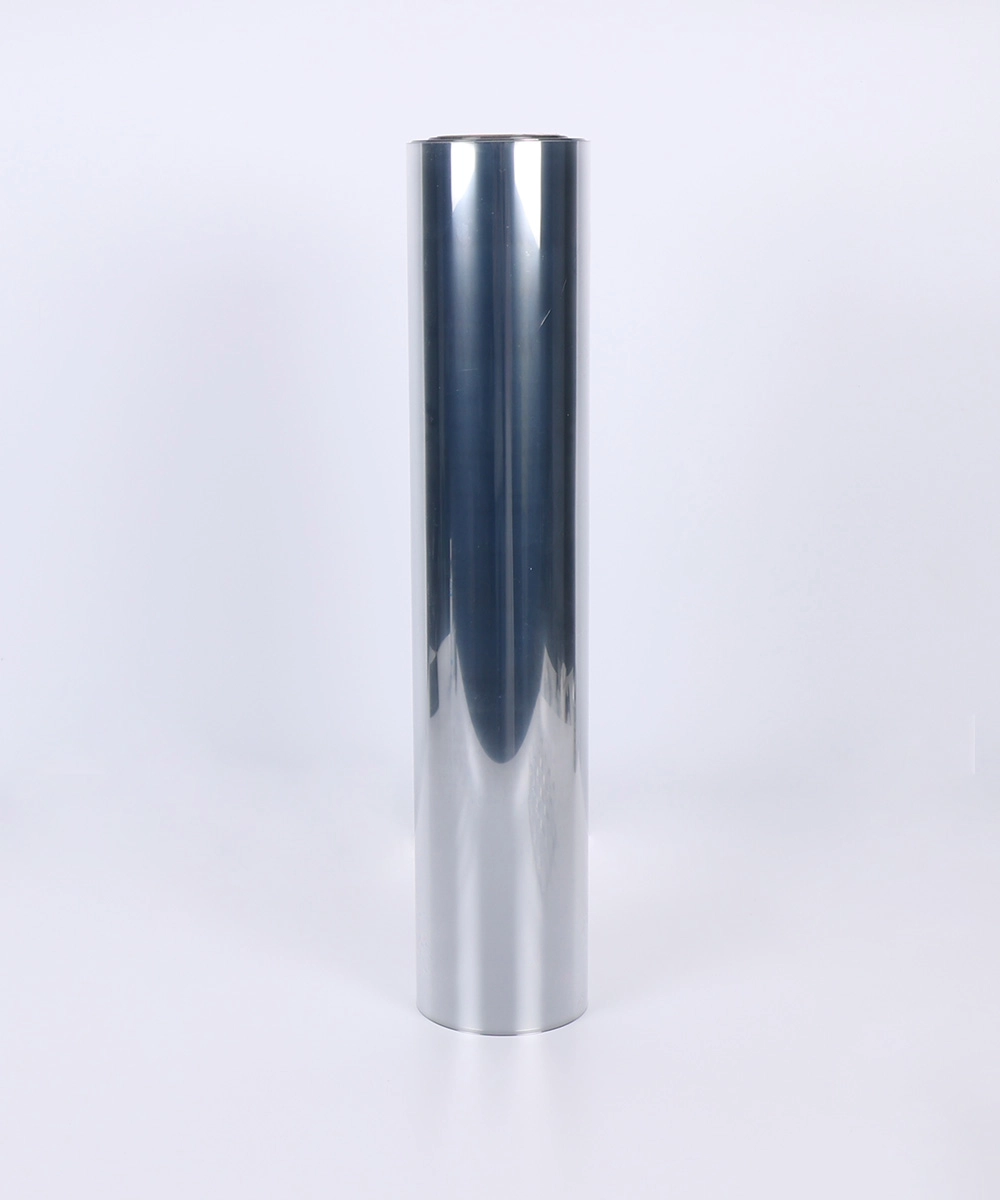
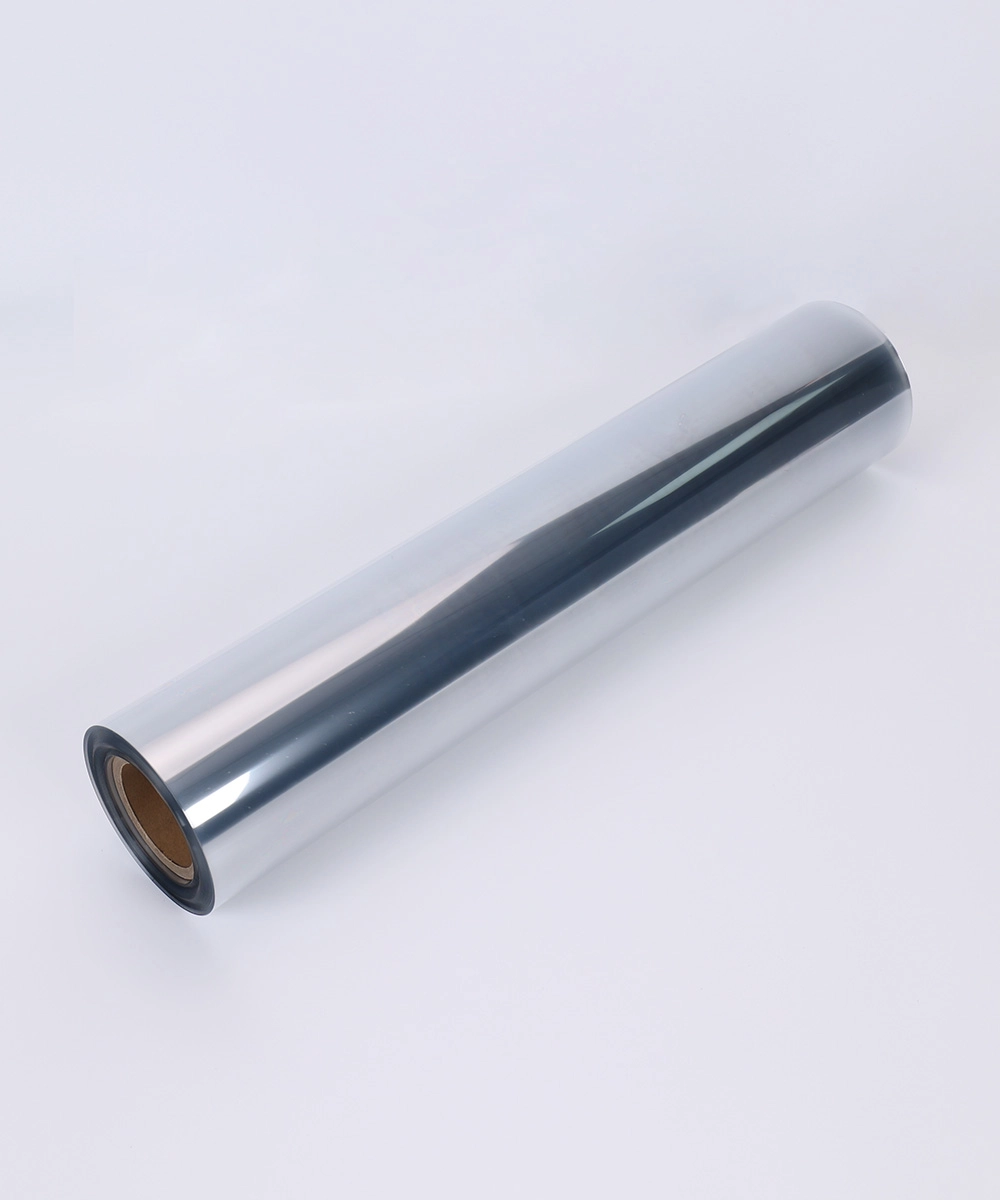
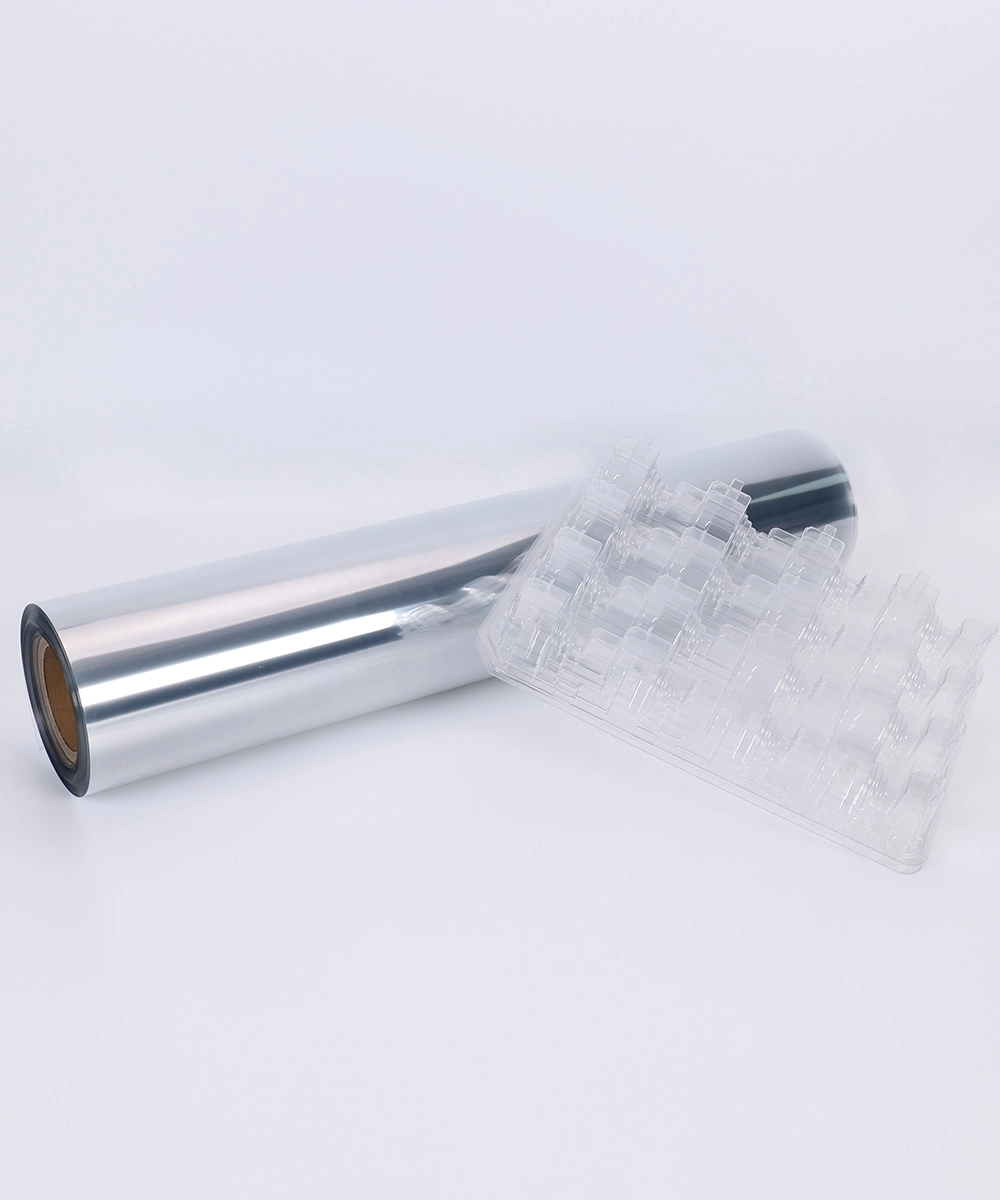
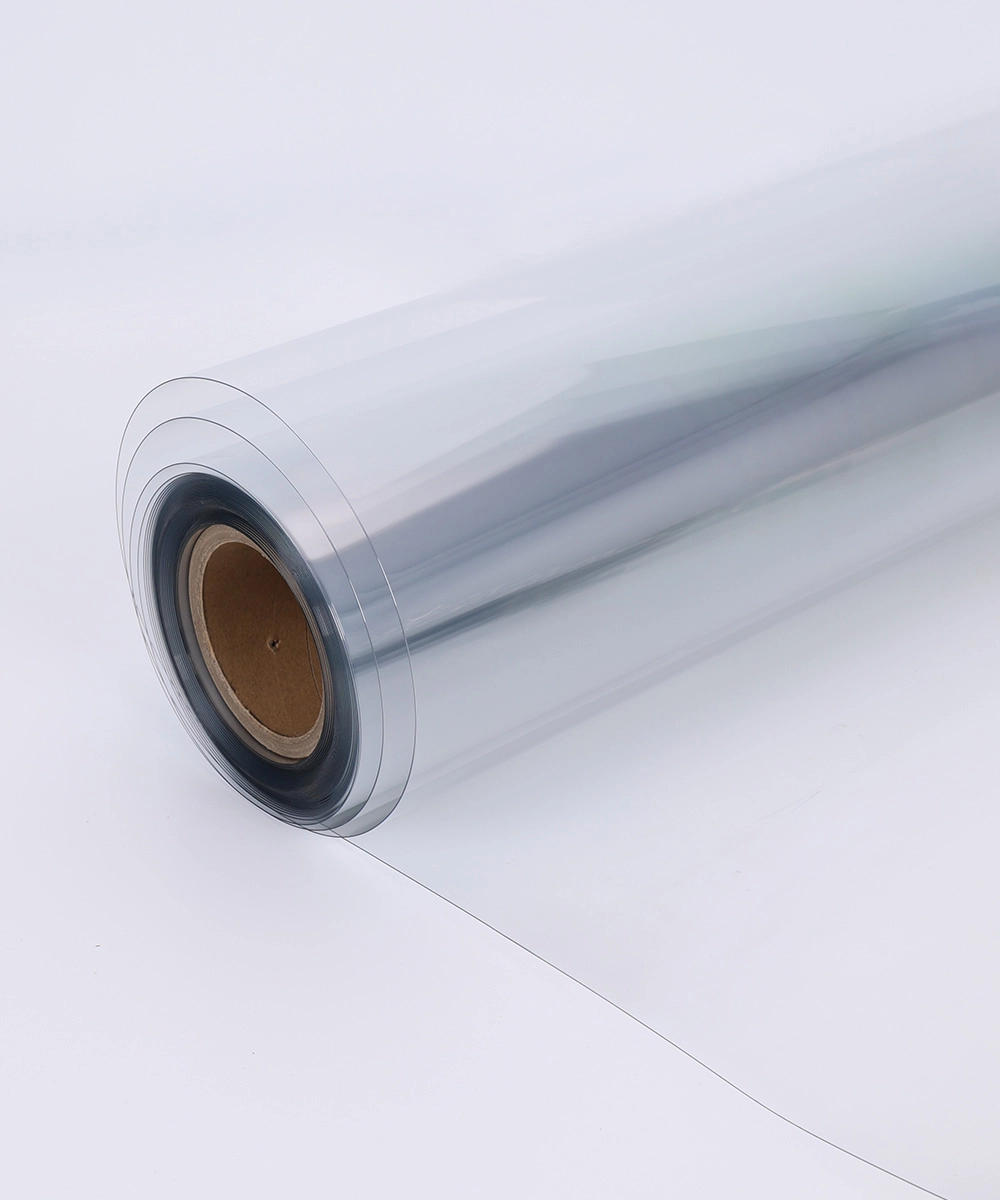
Companies are increasingly prioritizing environmental and ecological safety requirements, with more businesses opting for renewable material products. As a socially responsible enterprise, Hongkai actively embraces the 3R (Reuse, Reduce, Recycle) philosophy and has successfully developed a new PET product—RPET sheet.
1. Made from recycled PET beverage bottles compliant with FDA food-grade standards
2. Recyclable
3. Comprehensive traceability system from raw materials to finished products
4. Increasingly, countries and regions encourage imports of recyclable materials; importers using RPET qualify for tax incentives
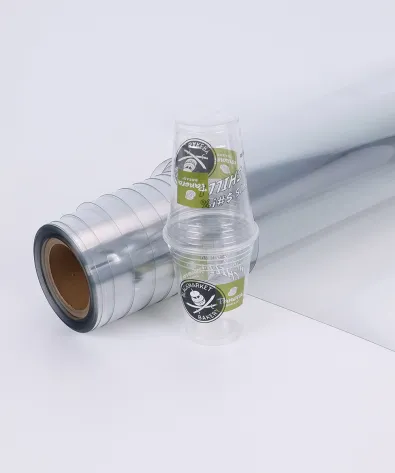
1. Food packaging
2. Toy product packaging
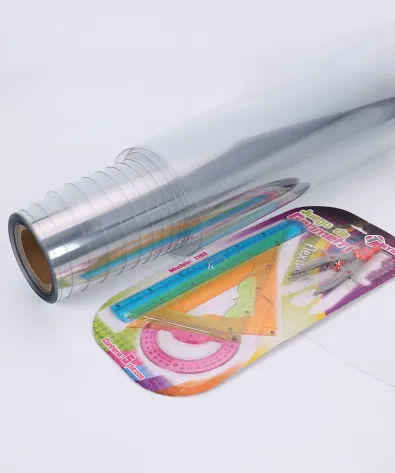
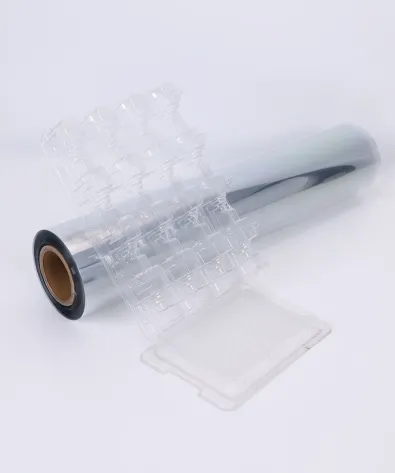
3. Electronic product packaging
|
Item |
Conductive |
Antistatic |
Normal |
|
Density(±0.02) |
1.35g/cm3 |
1.35g/cm3 |
1.35g/cm3 |
|
Thickness(±0.015) |
0.2mm-1.3mm |
0.2mm-1.3mm |
0.2mm-1.3mm |
|
S.R.(Ω) |
104-8 |
109-11 |
≧1012 |
|
Width Range (±1.0mm) |
300mm-1000mm |
300mm-1000mm |
300mm-1000mm |
|
Max. Weight(±0.5KG) |
550KG |
550KG |
550KG |
In today's environmentally conscious market, businesses across multiple industries are seeking sustainable alternatives to virgin plastics without compromising on quality or performance. Recycled PET, commonly known as RPET, represents a significant advancement in the plastic materials sector, offering manufacturers and consumers alike a responsible choice for packaging solutions. Haining Hongkai Technology Co., Ltd., a pioneering innovator in polymer film production, has successfully developed and refined RPET plastic sheets that meet stringent quality standards while adhering to sustainable manufacturing principles.
RPET plastic sheets are manufactured from post-consumer recycled polyethylene terephthalate (PET) obtained primarily from beverage bottles and other PET-based products. Unlike virgin PET, which derives from petroleum-based raw materials, RPET utilizes recycled content, making it an environmentally responsible alternative that reduces landfill waste and decreases the demand for new petroleum extraction. The recycling process involves collecting, sorting, cleaning, and reprocessing used PET materials into high-quality sheets suitable for various demanding applications.
Haining Hongkai Technology Co., Ltd. has engineered their RPET plastic sheets to comply with FDA food-grade standards, ensuring safety for food contact applications while maintaining the structural integrity and performance characteristics required in modern packaging environments. This commitment to quality reflects the company's dedication to sustainable manufacturing without compromising product excellence.
The physical properties of RPET plastic sheets make them suitable for demanding applications requiring both durability and environmental responsibility. The standard density specification for RPET sheets is 1.35 g/cm³ (with a tolerance of ±0.02), providing consistent material behavior across different production batches. This density falls within the optimal range for maintaining rigidity while ensuring cost-effectiveness in manufacturing processes.
Thickness specifications for RPET plastic sheets range from 0.2mm to 1.3mm, with a tolerance of ±0.015mm. This wide range accommodates diverse application requirements, from delicate food packaging requiring thinner material for visibility and reduced weight to protective applications demanding greater structural support. The precision tolerance indicates advanced manufacturing control and quality assurance processes implemented by Haining Hongkai.
The width range for RPET sheets extends from 300mm to 1000mm (±1.0mm), providing flexibility for different production scales and application requirements. Maximum roll weight capacity reaches 550kg (±0.5kg), enabling efficient handling and transportation while minimizing logistical complexity. These specifications demonstrate the company's understanding of both technical requirements and practical manufacturing logistics.
One of the distinguishing features of RPET plastic sheets is the availability of variants with different electrical properties, each engineered for specific applications:
Conductive RPET sheets exhibit a surface resistance (S.R.) ranging from 10^4 to 10^8 ohms. This specification makes them suitable for applications where electrical conductivity is essential for preventing static electricity accumulation, particularly in electronics manufacturing and semiconductor applications where electrostatic discharge (ESD) protection is critical.
Antistatic RPET sheets maintain a surface resistance between 10^9 and 10^11 ohms, providing intermediate protection against static electricity. This variant is ideal for sensitive electronic components that require static control but do not necessitate full conductivity, offering a balanced approach to ESD management.
Normal RPET sheets possess surface resistance greater than or equal to 10^12 ohms, making them suitable for general packaging applications where electrical properties are not a primary concern. These sheets are ideal for food packaging, consumer product packaging, and non-sensitive applications where standard PET properties suffice.
This tri-variant approach demonstrates Haining Hongkai's comprehensive understanding of diverse market needs and their commitment to providing specialized solutions for different industrial sectors.
RPET plastic sheets manufactured by Haining Hongkai originate from post-consumer PET beverage bottles, creating a circular economy model where waste becomes a valuable resource. The sourcing process incorporates comprehensive traceability systems that track materials from collection through processing to final sheet production. This transparency provides customers with confidence in material authenticity and environmental claims, addressing growing regulatory requirements and consumer preferences for verifiable sustainability.
The recycling process involves multiple stages: collection of used PET materials, mechanical sorting to remove contaminants, thermal processing to prepare the material for re-extrusion, and final quality control testing to ensure consistency with specification requirements. This meticulous approach results in RPET sheets that perform comparably to virgin PET while delivering significant environmental benefits.
The environmental advantages of RPET plastic sheets extend beyond simple waste reduction. Manufacturing RPET requires substantially less energy than producing virgin PET, as the material has already undergone initial polymerization during its first lifecycle. Consequently, RPET production generates fewer greenhouse gas emissions and reduces overall environmental impact across the supply chain.
By choosing RPET plastic sheets, manufacturers and consumers participate in reducing landfill volumes while decreasing demand for petroleum-based raw materials. This contribution to circular economy principles aligns with increasingly stringent environmental regulations in major markets worldwide. Haining Hongkai's commitment to the 3R philosophy—Reduce, Reuse, and Recycle—reflects this broader environmental consciousness.
FDA food-grade certification represents a critical achievement for RPET plastic sheets, ensuring that materials intended for food contact applications meet rigorous safety standards. This certification requires comprehensive testing for potential contaminants and migration of harmful substances into food products. Haining Hongkai's RPET sheets satisfy these demanding requirements, enabling manufacturers to produce compliant food packaging solutions without compromising on sustainability objectives.
Various regulatory frameworks globally encourage the use of recycled materials in packaging applications. In many jurisdictions, companies importing or utilizing RPET products may qualify for tax incentives and favorable trade designations, creating additional economic benefits beyond material cost savings. These regulatory advantages reflect growing governmental recognition of the importance of circular economy models in achieving environmental sustainability targets.
Food Packaging represents a primary application area, where RPET sheets provide safe, transparent, and recyclable containers for beverages, bakery products, prepared foods, and other edibles. The FDA food-grade compliance enables direct food contact, while the material's optical clarity allows consumers to view product contents. For manufacturers, RPET offers cost advantages compared to virgin materials while meeting environmental commitments.
Toy Product Packaging utilizes RPET sheets for protective and display packaging of consumer toys and games. The material's dimensional stability and impact resistance protect products during distribution while providing an attractive presentation on retail shelves. The recyclability of RPET sheets appeals to environmentally conscious parents and retailers prioritizing sustainable practices.
Electronic Product Packaging benefits from RPET's available electrical properties, particularly the antistatic and conductive variants. These materials protect sensitive electronic components during manufacturing, storage, and transportation, preventing damage from electrostatic discharge. The transparency of RPET sheets enables product visibility while providing necessary ESD protection.
Beyond these primary applications, RPET plastic sheets find utility in consumer goods packaging, promotional materials, and industrial protective applications where the combination of performance, cost-effectiveness, and environmental responsibility creates competitive advantage.
Haining Hongkai Technology Co., Ltd. operates state-of-the-art manufacturing facilities employing advanced extrusion and quality control technologies. The company's commitment to precision manufacturing is evident in the tight tolerances maintained across all specifications: thickness variations of ±0.015mm, width tolerances of ±1.0mm, and density consistency of ±0.02 g/cm³.
Quality assurance protocols involve multiple testing stages throughout the production process, ensuring that every roll of RPET plastic sheets meets customer specifications and regulatory requirements. Advanced equipment enables real-time monitoring of material properties, including optical clarity, thickness consistency, and electrical characteristics, allowing immediate correction of any deviations from specification parameters.
A defining characteristic of RPET plastic sheets is their own recyclability upon reaching end-of-life. Products manufactured from RPET sheets can be collected, sorted, and reprocessed into new materials, creating a perpetual cycle of material utilization. This recyclability distinguishes RPET from many alternative materials and reinforces its position as a genuinely sustainable choice.
The recyclable nature of RPET sheets aligns with extended producer responsibility (EPR) programs increasingly mandated across developed markets. Manufacturers utilizing RPET can more easily demonstrate compliance with recyclability requirements while supporting infrastructure development for closed-loop recycling systems.
Beyond environmental benefits, RPET plastic sheets offer compelling economic advantages. The use of recycled content typically reduces material costs compared to virgin PET, improving profitability without compromising quality. The availability of tax incentives in many jurisdictions for companies utilizing recycled materials further enhances the economic proposition.
The wide availability of recycled PET in well-developed collection and processing infrastructure ensures consistent supply and price stability, reducing supply chain uncertainties associated with petroleum-based materials subject to volatile commodity pricing.
RPET plastic sheets offer distinct advantages over alternative packaging materials. Compared to virgin PET, RPET reduces environmental impact while maintaining similar performance characteristics. When compared to other recycled plastics, RPET's superior clarity, printability, and food-grade status create distinct advantages for premium packaging applications.
Relative to alternative sustainable materials such as bioplastics or plant-based polymers, RPET benefits from established recycling infrastructure, regulatory acceptance, and proven manufacturing scalability. The material's proven track record in demanding applications provides confidence that RPET will perform consistently across diverse use cases.
Haining Hongkai recognizes that different applications demand different material properties. Beyond the three standard electrical property variants (conductive, antistatic, and normal), the company offers RPET sheets across a range of thicknesses and widths to accommodate specific manufacturing requirements.
Customers with specialized needs can work directly with Haining Hongkai's technical team to develop customized solutions addressing particular performance requirements, whether in optical properties, mechanical strength, or specialized applications. This customer-focused approach ensures that RPET solutions align precisely with manufacturing processes and end-use requirements.
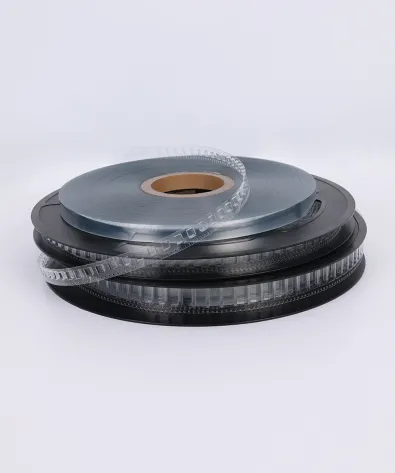
Haining Hongkai's comprehensive portfolio extends beyond RPET plastic sheets to include complementary products serving related industries and applications. APET plastic sheets provide virgin PET alternatives for applications where recycled content is not required or desired. APET carrier tape sheets serve specialized applications in electronics manufacturing and component packaging. Bio-PET plastic sheets address customers seeking plant-based sustainable alternatives. APET colored sheets expand aesthetic possibilities for branded packaging and promotional applications. High-temperature and low-temperature resistant PET sheets serve specialized industrial applications requiring extended operating temperature ranges. APET anti-fog sheets prevent moisture accumulation on packaging surfaces, improving product visibility. UV-resistant APET sheets protect sensitive products from solar radiation degradation. C-PET plastic sheets provide an alternative crystalline PET variant for applications requiring specific thermal characteristics.
This extensive product range enables customers to select materials perfectly matched to their specific requirements while building long-term partnerships with a supplier offering comprehensive material solutions.
Manufacturers evaluating RPET plastic sheets should consider multiple factors in their selection process. Environmental commitments and sustainability certifications become increasingly important to consumers and regulators alike. RPET selection demonstrates tangible environmental responsibility while maintaining product performance. Regulatory compliance requirements, particularly for food contact applications, necessitate FDA food-grade certification, which RPET from Haining Hongkai provides.
Cost considerations must encompass not only material pricing but also available tax incentives for recycled material usage, potential supply chain efficiencies, and long-term sustainability of material sourcing. The availability of multiple electrical property variants and dimensional options ensures that specifications align with manufacturing processes and equipment requirements. Supplier capability in quality assurance, technical support, and customization services should factor into procurement decisions.
Haining Hongkai Technology Co., Ltd. represents a reliable supplier of high-quality RPET plastic sheets backed by decades of experience in polymer film manufacturing. The company's commitment to innovation, quality, and sustainability establishes it as a trusted partner for manufacturers seeking reliable material solutions supporting both operational efficiency and environmental responsibility.
The company maintains comprehensive traceability systems ensuring material authenticity and enabling customers to substantiate sustainability claims. Responsive technical support, competitive pricing, and commitment to continuous improvement position Haining Hongkai as a preferred supplier for RPET plastic sheets and complementary polymer products.
RPET plastic sheets represent a compelling solution for manufacturers and consumers seeking sustainable alternatives to virgin plastics without performance compromises. Haining Hongkai's RPET plastic sheets combine technical excellence, environmental responsibility, regulatory compliance, and economic value, making them an ideal choice for diverse packaging and industrial applications. As environmental awareness continues expanding globally, RPET plastic sheets will play an increasingly important role in enabling circular economy models and sustainable manufacturing practices. By selecting RPET from Haining Hongkai, customers invest in products that deliver immediate operational benefits while contributing to broader environmental sustainability objectives.
Share Your Contact Information For Personalized Service.