
 +86-150-5857-3741+86-136-0679-8873
 carolzhang@hnhktech.com
+86-150-5857-3741+86-136-0679-8873carolzhang@hnhktech.com
carolzhang@hnhktech.com
+86-150-5857-3741+86-136-0679-8873carolzhang@hnhktech.com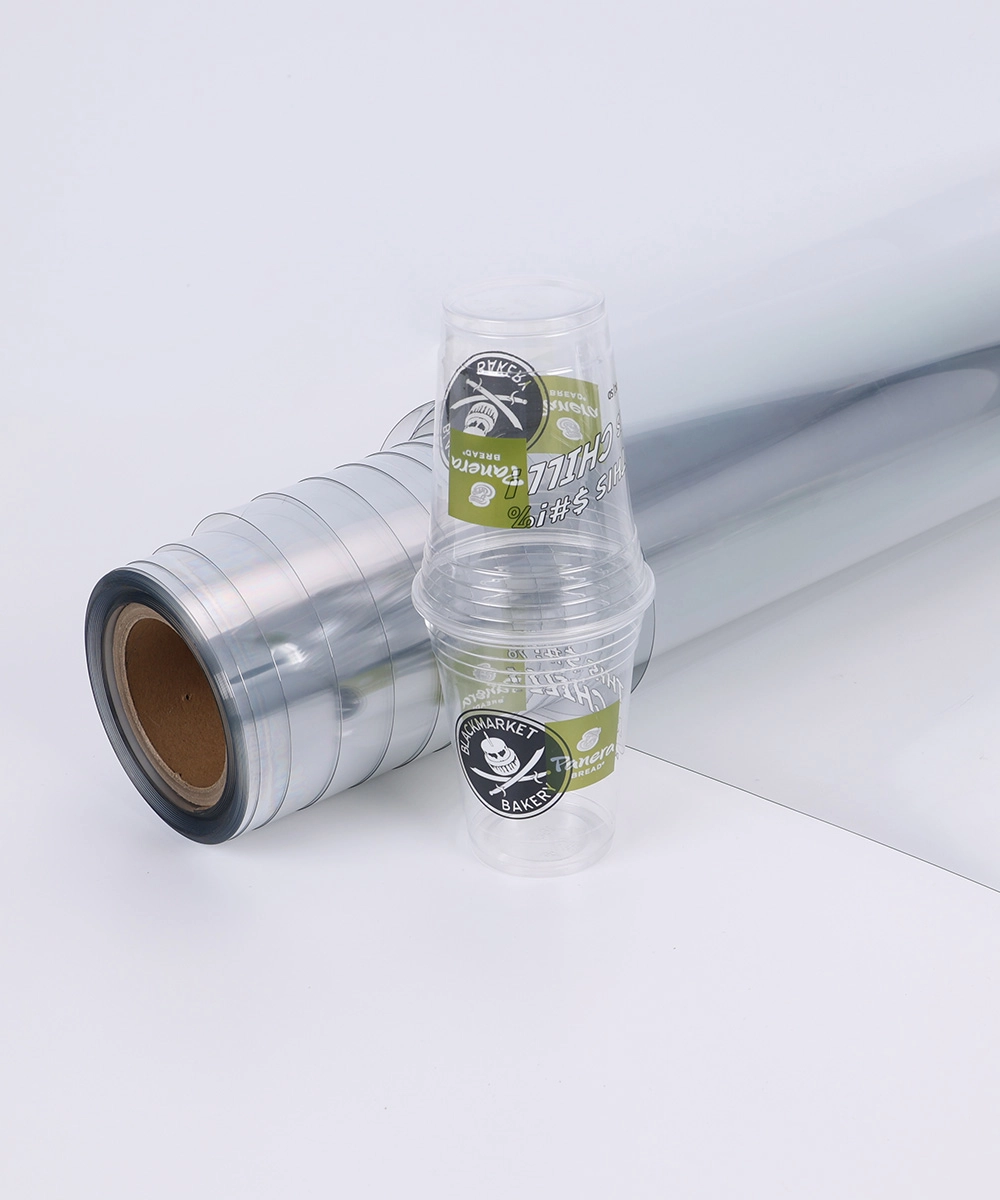
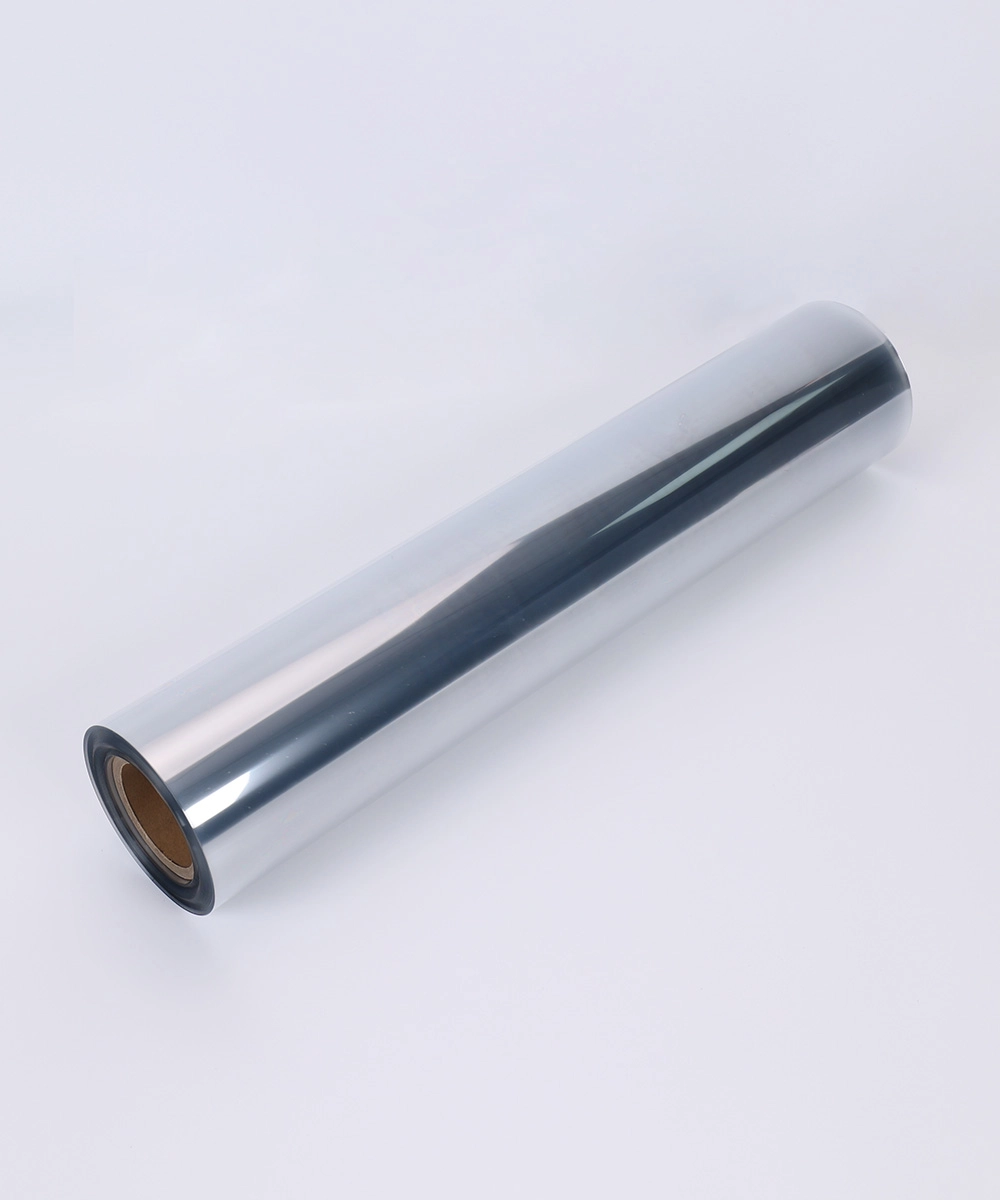
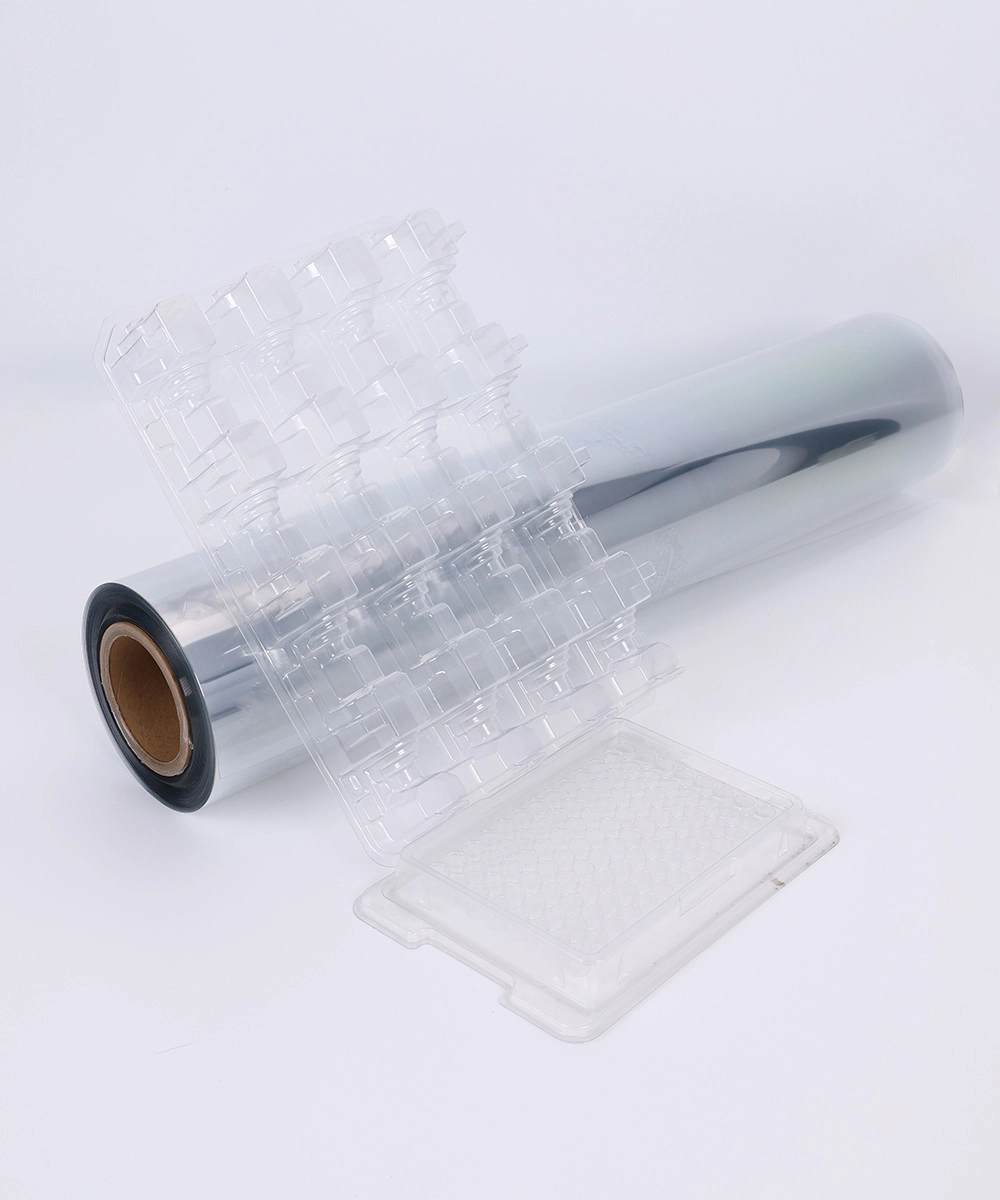
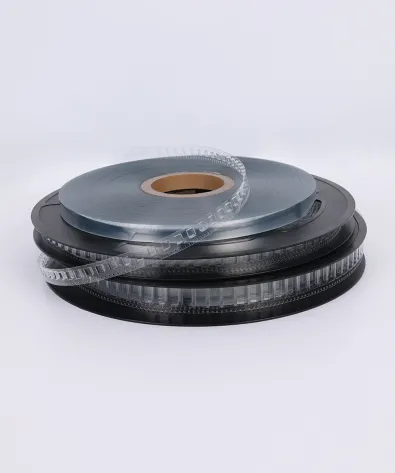
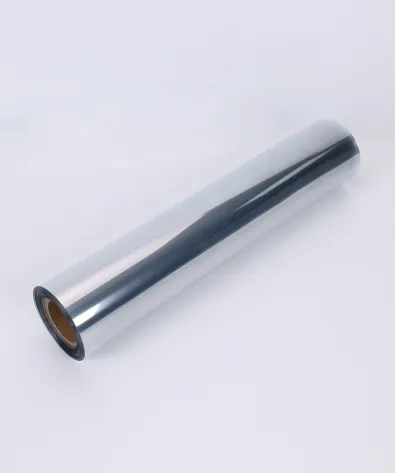
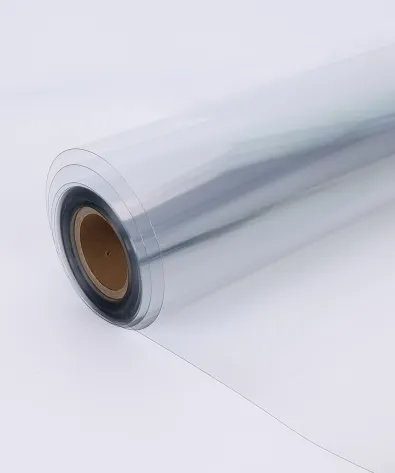
High-temperature-resistant sheets can withstand thermal deformation temperatures up to 80°C, whereas standard APET sheets only reach 50°C. Low-temperature-resistant sheets maintain the integrity and toughness of plastic products in extremely cold conditions, preventing cracking.
|
Item |
Conductive |
Antistatic |
Normal |
|
Density(±0.02) |
1.35g/cm3 |
1.35g/cm3 |
1.35g/cm3 |
|
Thickness(±0.015) |
0.2mm-1.3mm |
0.2mm-1.3mm |
0.2mm-1.3mm |
|
S.R.(Ω) |
104-8 |
109-11 |
≧1012 |
|
Width Range (±1.0mm) |
300mm-1000mm |
300mm-1000mm |
300mm-1000mm |
|
Max. Weight(±0.5KG) |
550KG |
550KG |
550KG |
Amorphous Polyethylene Terephthalate — commonly known as APET — is one of the most widely specified thermoplastic sheet materials in global manufacturing and packaging. Within the broader APET family offered by Haining Hongkai Technology Co., Ltd., the high-temperature and low-temperature resistant variant represents a specialized, performance-engineered grade designed for environments where standard APET simply cannot cope. Whether it is the sustained warmth of industrial processing equipment, the dry heat of electronics enclosures, or the deep freeze of cold-chain logistics, this dual-performance sheet answers both extremes within a single material platform.
Understanding why this grade exists, how it works at a molecular level, and where it delivers measurable value requires a deeper look at both the chemistry of PET and the engineering decisions embedded in Hongkai's production process.
Polyethylene terephthalate is a semi-crystalline polymer in its raw, fully crystallized form, but when processed rapidly through extrusion and quenched quickly, the molecular chains are locked into an amorphous (non-crystalline) arrangement. This is the "A" in APET. The amorphous structure gives the material its signature optical clarity and excellent thermoformability, because the disordered chains move more freely under heat, allowing the sheet to be vacuum-formed or pressure-formed into complex geometries with tight radii and fine surface detail.
The trade-off is thermal stability. In standard APET, the glass transition temperature (Tg) — the point at which the amorphous chains begin to move and the sheet softens — sits in a range that allows the material to deform under load at relatively modest temperatures. Standard APET sheets, as noted on the Hongkai product page, reach their thermal deformation limit at approximately 50°C. For ambient-temperature packaging, point-of-sale displays, or general-purpose trays, this is sufficient. However, applications that involve hot fill, sterilization, proximity to heat-generating electronics, or even prolonged exposure to direct sunlight in warm climates can push well beyond 50°C, causing unacceptable dimensional change.
The heat-resistant APET sheet produced by Haining Hongkai Technology raises the thermal deformation temperature to 80°C — a substantial 30°C improvement over the standard grade. This is not achieved simply by using a different base polymer. Instead, the improvement comes from a combination of controlled nucleation, the incorporation of thermally stabilizing additives or co-monomers, and precise management of the extrusion and cooling process.
In practical terms, controlled nucleation introduces a very fine, evenly distributed crystalline micro-structure throughout the sheet. This partial crystallinity stiffens the polymer network and raises the temperature at which chain mobility becomes sufficient to cause bulk deformation. Critically, because the nucleation is controlled at a very small scale and the degree of crystallinity is carefully limited, the sheet retains an acceptable level of optical clarity for most applications — though it will not match the near-glass transparency of fully amorphous APET in all cases. The balance between heat resistance and optical properties can be tuned to the specific requirements of each application, something Hongkai's technical team is equipped to advise on when customers submit inquiries through the contact page.
The same product line addresses a fundamentally different engineering challenge at the opposite end of the thermometer. Low-temperature-resistant APET sheets are formulated to retain both mechanical integrity and impact toughness in extremely cold environments. Standard APET, like many thermoplastics, undergoes a phenomenon known as ductile-to-brittle transition as temperature drops. Below a critical threshold, the polymer chains lose the mobility needed to absorb impact energy by plastic deformation, and the material fails in a brittle, fracture-prone manner — cracking or shattering rather than flexing.
For food packaging that must survive refrigerated or frozen distribution chains, for pharmaceutical blister packs stored in cold rooms, or for electronics carrier trays that pass through cold assembly environments, this brittle transition is a serious quality and liability concern. Low-temperature APET is formulated with toughening agents — typically elastomeric impact modifiers dispersed at the nanoscale within the PET matrix — that maintain ductility at depressed temperatures. The result, as described on the Hongkai product page, is a sheet that preserves the integrity and toughness of plastic products in extremely cold conditions, actively preventing cracking failures in the field.
The following table consolidates the verified technical parameters published for the heat-resistant and low-temperature-resistant PET sheets produced by Haining Hongkai Technology Co., Ltd. These specifications apply across conductive, antistatic, and normal (standard insulating) variants of the product.
| Parameter | Conductive Grade | Antistatic Grade | Normal Grade |
| Density (± 0.02) | 1.35 g/cm³ | 1.35 g/cm³ | 1.35 g/cm³ |
| Thickness (± 0.015) | 0.2 mm – 1.3 mm | 0.2 mm – 1.3 mm | 0.2 mm – 1.3 mm |
| Surface Resistance (Ω) | 10⁴ – 10⁸ | 10⁹ – 10¹¹ | ≥ 10¹² |
| Width Range (± 1.0 mm) | 300 mm – 1,000 mm | 300 mm – 1,000 mm | 300 mm – 1,000 mm |
| Maximum Roll Weight (± 0.5 kg) | 550 kg | 550 kg | 550 kg |
| High-Temp Deformation Limit | Up to 80°C | Up to 80°C | Up to 80°C |
| Standard APET Deformation Limit | 50°C (reference) | 50°C (reference) | 50°C (reference) |
The density figure of 1.35 g/cm³ is consistent with APET's well-established material data and confirms that no heavy fillers have been used, which would add cost and reduce thermoformability. The thickness range of 0.2 mm to 1.3 mm spans a broad spectrum of end-use requirements, from very thin blister lidding stock at the lower end to rigid tray and clamshell sheet at the upper end.
The tolerances listed in the specification table are tight by industry standards and warrant detailed interpretation, because they have direct consequences for downstream processing efficiency.
Thickness tolerance of ±0.015 mm means that across the full width of a 1,000 mm roll, the sheet remains within a 30-micron total band. For thermoforming operations, consistent thickness is critical: thin spots create weakness and potential failure in formed parts, while thick spots resist draw and can cause uneven wall distribution or webbing. A tightly controlled ±0.015 mm tolerance reduces scrap rates, improves cycle consistency, and allows thermoformers to set process parameters with confidence that each roll will behave predictably.
Width tolerance of ±1.0 mm across the 300 mm to 1,000 mm range ensures compatibility with automated web-handling equipment and die-cut tooling. Even small width variation can cause tracking errors in high-speed converting lines, leading to misregistration in print or tooling overlap on die-cut edges. Hongkai's investment in two advanced production lines at the Jianshan New District facility reflects the company's commitment to maintaining these tolerances consistently at volume.
Roll weight control to ±0.5 kg on a 550 kg maximum roll is relevant to logistics and handling. Rolls at the maximum weight typically require crane or forklift handling, and the tight weight specification ensures that storage racking systems and transport vehicles are loaded within design limits. It also indirectly confirms consistency in roll geometry (diameter and winding tension), which affects how the sheet unwinds and feeds on converting equipment.
One of the more technically sophisticated aspects of this product line is the availability of three distinct surface resistance grades — conductive (10⁴–10⁸ Ω), antistatic (10⁹–10¹¹ Ω), and normal (≥10¹² Ω) — applied to the heat-resistant and low-temperature-resistant sheet. This means that thermal performance enhancements and electrostatic management can be specified simultaneously, which is critical for electronics manufacturing environments.
In semiconductor assembly, SMT (surface mount technology) lines, and LED component packaging — all identified as key markets on Hongkai's company profile — electrostatic discharge (ESD) events are a primary cause of latent component damage. Latent damage is particularly insidious because affected components may pass initial electrical testing but fail prematurely in the field. By specifying a conductive or antistatic carrier tray or packaging sheet, assemblers ensure that charge is safely dissipated before it can build to a discharge threshold.
The conductive grade (surface resistance 10⁴–10⁸ Ω) provides the most aggressive charge dissipation pathway and is appropriate for the most ESD-sensitive devices. The antistatic grade (10⁹–10¹¹ Ω) dissipates charge more slowly but sufficiently prevents sudden discharge events, and is commonly used for less sensitive components or general protective packaging. The normal grade (≥10¹² Ω) provides no intentional electrostatic management and is suitable for food packaging, medical device secondary packaging, display and signage applications, or any context where electrostatic management is not a design requirement.
For more information on the full range of APET carrier tape and tray formats that incorporate these surface resistance grades, the APET Carrier Tape Sheets page provides additional product context.
Heat-resistant APET does not exist in isolation — it is part of a broader material family. Understanding where it sits relative to other options helps procurement and design teams make well-grounded material selections.
| Product | Heat Resistance | Cold Resistance | Clarity | Best Applications |
| Standard APET Plastic Sheets | Up to ~50°C | Moderate | High (near-glass) | General packaging, displays, blister packs |
| Heat & Low-Temp Resistant PET (this product) | Up to 80°C | Excellent, prevents cold cracking | Good to High | Electronics trays, hot-fill packaging, cold chain, food service |
| C-PET Plastic Sheet | Up to 200°C | Down to -40°C | Opaque (black/white) | Oven/microwave trays, food service containers |
| R-PET Plastic Sheets | Similar to standard APET | Similar to standard APET | Good | Sustainable/recycled-content packaging |
| BIO-PET Plastic Sheets | Similar to standard APET | Similar to standard APET | Good | Eco-focused packaging with bio-based content |
| GAG Sheets (PETG/APET/PETG) | Standard | Standard | Very high | High-clarity display and retail packaging |
| UV-Resistant APET Sheet | Standard thermal | Standard | High with UV block | Outdoor displays, UV-sensitive product packaging |
For applications requiring heat resistance beyond 80°C, particularly those involving microwave or conventional oven exposure, the C-PET Plastic Sheet (pet-plasticfilm.com/c-pet-plastic-sheet.html) provides an operating range of -40°C to 200°C in an opaque format. Heat-resistant APET occupies the important middle ground: it retains the optical advantages and thermoformability of the amorphous structure while pushing the thermal ceiling well above standard grades.
The electronics industry is among the most demanding consumers of specialized thermoplastic sheet. Component carrier trays, reel-and-tape packaging, IC trays, wafer carriers, and magazine-style end caps must maintain precise dimensional form through multiple thermal cycles — including reflow soldering environments where ambient temperatures in the surrounding workspace can approach 60–70°C. Standard APET would risk dimensional drift in such conditions. Heat-resistant APET's raised deformation ceiling of 80°C provides the necessary safety margin to keep trays and carriers dimensionally stable throughout the assembly process.
Food packaging operations that involve hot-fill — where the product is filled at elevated temperature to achieve pasteurization or to preserve aroma and flavor — require packaging materials that will not deform during the filling stage. Fill temperatures for hot-fill applications commonly range from 60°C to 85°C depending on the food type, which means standard APET at its 50°C deformation ceiling is excluded from this category. Heat-resistant APET at 80°C covers a substantial portion of the hot-fill market, particularly for transparent packaging where product visibility is a commercial priority.
The low-temperature variant of this product family addresses the rigid packaging needs of cold-chain logistics — the interconnected system of refrigerated transport, storage, and handling that serves fresh produce, frozen food, pharmaceuticals, and biologics. Packaging that cracks or shatters during transit creates product loss, contamination risk, and customer complaints. By formulating the APET sheet to resist brittle fracture at low temperatures, Hongkai enables the use of lightweight, transparent, thermoformed trays and clamshells in applications where packaging must survive freezer temperatures and rough handling simultaneously.
Heat-resistant thermoplastic sheets are used in a range of industrial and light automotive applications: protective covers for lighting assemblies that generate localized heat, insulating panels in electronic control units, protective trays in battery assembly operations, and more. The combination of dimensional stability at 80°C, the ability to specify surface resistance grades for ESD management, and the strong thermoformability of the amorphous structure makes this a versatile choice for industrial fabricators who need to produce custom-shaped components in moderate volumes.
Blister packs for medical devices and pharmaceutical products must maintain their integrity through sterilization validation (which may involve elevated temperature exposure), throughout distribution at varying ambient temperatures, and during storage at both room temperature and refrigerated conditions. The heat-resistant APET grade's improved thermal stability and the low-temperature variant's cold-crack resistance together cover the range of conditions encountered in pharmaceutical distribution chains.
Heat-resistant APET sheet is processed on the same vacuum forming, pressure forming, and plug-assist thermoforming equipment used for standard APET, with some parameter adjustments to account for the modified thermal profile.
Because the heat-resistant grade has a higher effective Tg than standard APET, it requires somewhat higher forming temperatures to achieve adequate softening for clean, sharp detail reproduction. Processors should expect to increase both the heating zone setpoint and the dwell time incrementally compared to their established standard APET parameters, then re-optimize mold temperature and cycle time accordingly. Mold surface temperature also plays an important role: cooler mold surfaces promote faster setting and better detail retention, while warmer molds allow more complete draw without thinning in corner radii.
The tight thickness tolerance (±0.015 mm) from Hongkai's production lines is directly beneficial in thermoforming, because it allows processors to set forming parameters to a defined nominal and expect consistent results across rolls and batches. This is particularly important for high-run, automated forming lines where manual parameter adjustment between rolls represents lost productivity.
Die-cutting and scoring of heat-resistant APET follows the same general principles as standard APET. The material responds well to steel-rule die-cutting and rotary die-cutting at standard speeds. Where products require precise folding or crease lines, the scoring depth should be calibrated to the specific sheet thickness in use, since the modified formulation may behave slightly differently than an unmodified grade at the crease point.
Polyethylene terephthalate is one of the most widely recycled thermoplastics globally. APET sheets are fully recyclable through established PET recycling streams, provided they are free of contamination and separated from other materials (such as adhesive labels or multi-layer laminations). The recyclability of APET is a significant advantage over multi-material flexible packaging structures, which are difficult or impossible to separate and recycle economically.
Haining Hongkai Technology also produces R-PET Plastic Sheets incorporating post-consumer recycled PET content, and BIO-PET Plastic Sheets with bio-based monomer content. These options allow brand owners and OEM manufacturers to progressively reduce the carbon footprint of their packaging or component supply chains without changing forming processes or tooling.
The heat-resistant APET grade does not inherently conflict with recyclability, though the presence of nucleating agents or additives should be disclosed to recyclers so they can assess compatibility with their sorting and processing systems. Buyers with sustainability commitments are encouraged to discuss this with Hongkai's technical team via the contact page to obtain full material composition documentation for recycling pathway assessment.
First, the combination of thermal performance and electrostatic management in a single product SKU is a significant advantage for electronics packaging customers. Many suppliers offer heat-resistant sheet or ESD-controlled sheet — but not both within the same grade and thickness range. Hongkai's heat-resistant APET is available in conductive, antistatic, and normal surface resistance grades, enabling a single-supplier solution for complex electronics packaging requirements.
Second, the tight dimensional tolerances — ±0.015 mm on thickness, ±1.0 mm on width — reflect manufacturing discipline that reduces converter scrap and process variability. In high-volume thermoforming, even small improvements in input material consistency translate directly into measurable savings in cycle time, scrap rate, and finished-part rejection.
Third, ISO 9001 and ISO 14001 certifications, combined with SGS product certification, provide the traceability, documentation, and compliance assurance that multinational OEM customers and food industry buyers require for supplier qualification. These certifications are verified and regularly audited, providing ongoing quality assurance rather than a one-time declaration.
Fourth, the company's proximity to major Yangtze River Delta ports and airports enables competitive lead times and freight costs for international buyers, whether ordering full-container loads or smaller sample and trial quantities.
What is the difference between heat-resistant APET and standard APET? Standard APET begins to deform under load at approximately 50°C. Heat-resistant APET from Hongkai raises this threshold to 80°C through controlled nucleation and thermal stabilization, making it suitable for hot-fill packaging, electronics proximity applications, and other environments where standard APET would distort.
Can heat-resistant APET be thermoformed on standard equipment? Yes. Heat-resistant APET is processed on conventional vacuum forming and pressure forming equipment. Heating zone temperatures and dwell times require upward adjustment relative to standard APET parameters to achieve adequate softening of the modified formulation.
Is heat-resistant APET food-safe? Hongkai's products have passed SGS certification. Buyers requiring food-contact documentation for specific regulatory jurisdictions (EU food contact regulations, FDA 21 CFR, etc.) should request the relevant compliance certificates when inquiring.
Can I combine heat resistance with antistatic or conductive surface treatment? Yes. The product is available in conductive (10⁴–10⁸ Ω), antistatic (10⁹–10¹¹ Ω), and normal (≥10¹² Ω) surface resistance grades, all within the heat-resistant formulation.
What is the minimum order quantity and can I request samples? For specific MOQ, sample availability, and pricing, contact Hongkai directly at carolzhang@hnhktech.com or submit a request at Contact us.
How does heat-resistant APET compare to C-PET for high-temperature applications? Heat-resistant APET maintains clarity and superior thermoformability up to 80°C. C-PET handles far higher temperatures (up to 200°C) but is opaque. For applications not requiring resistance above 80°C, APET offers better optical properties and is easier to process. For oven and microwave applications, C-PET is the appropriate choice.
Share Your Contact Information For Personalized Service.